Are you planning to launch a herbal products, tea, or natural blends project, but you are unsure which machine best suits your product type and production capacity? The herb filling and packaging machine price varies according to the type of herbs, package weight, packaging method, production speed, and the level of automation required inside the factory.
Therefore, the herb filling and packaging machine price cannot be determined by one fixed figure that applies to every project. One factory may need a machine for producing tea bags with thread, while another project may require a machine for filling ground herbs into small sachets or different types of containers.
Accurately identifying your production line requirements helps you avoid purchasing a machine with a capacity higher or lower than your actual needs. Contact El Safwa Company to receive a technical consultation and select the most suitable solution for your project.
What Is a Herb Filling and Packaging Machine?
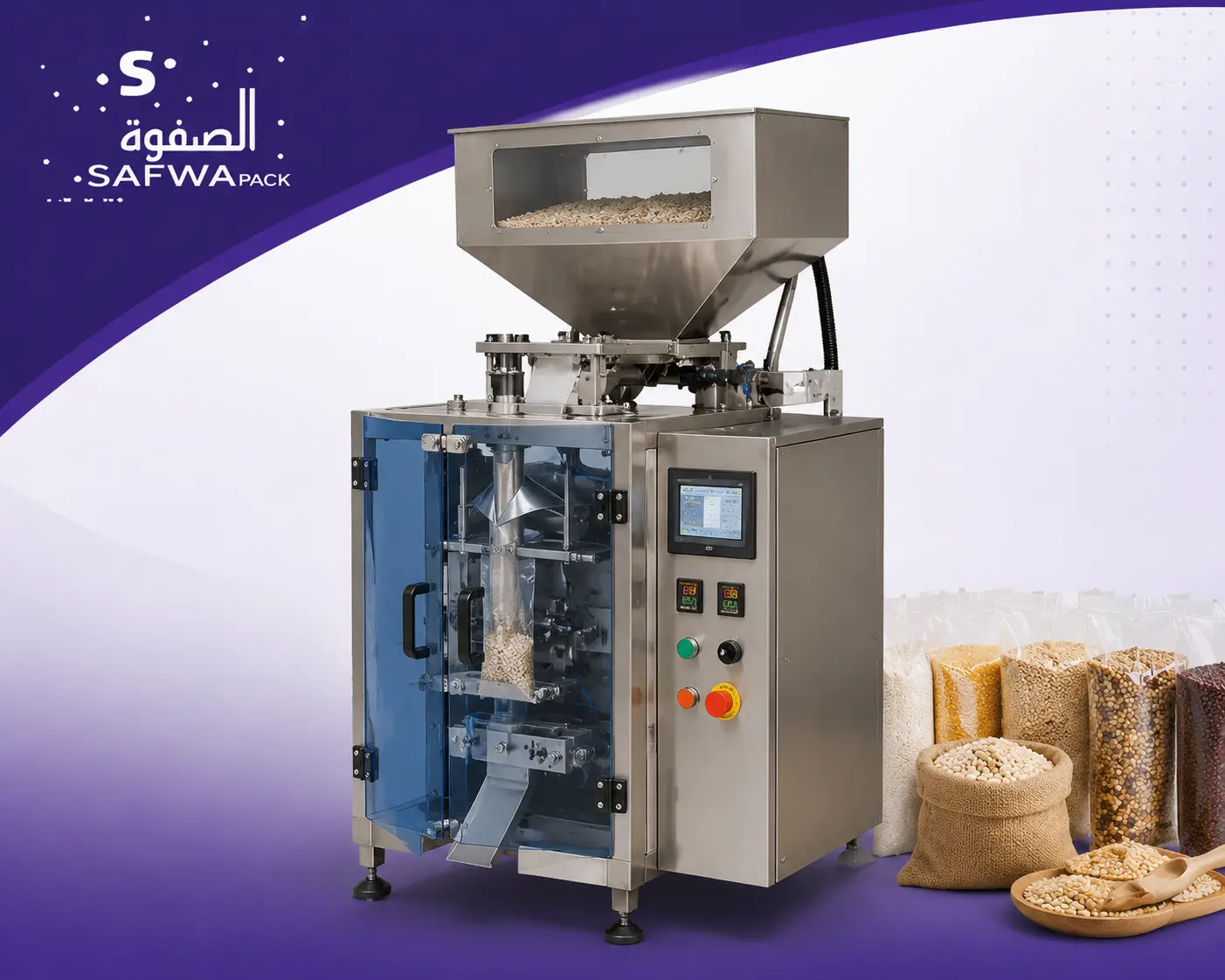
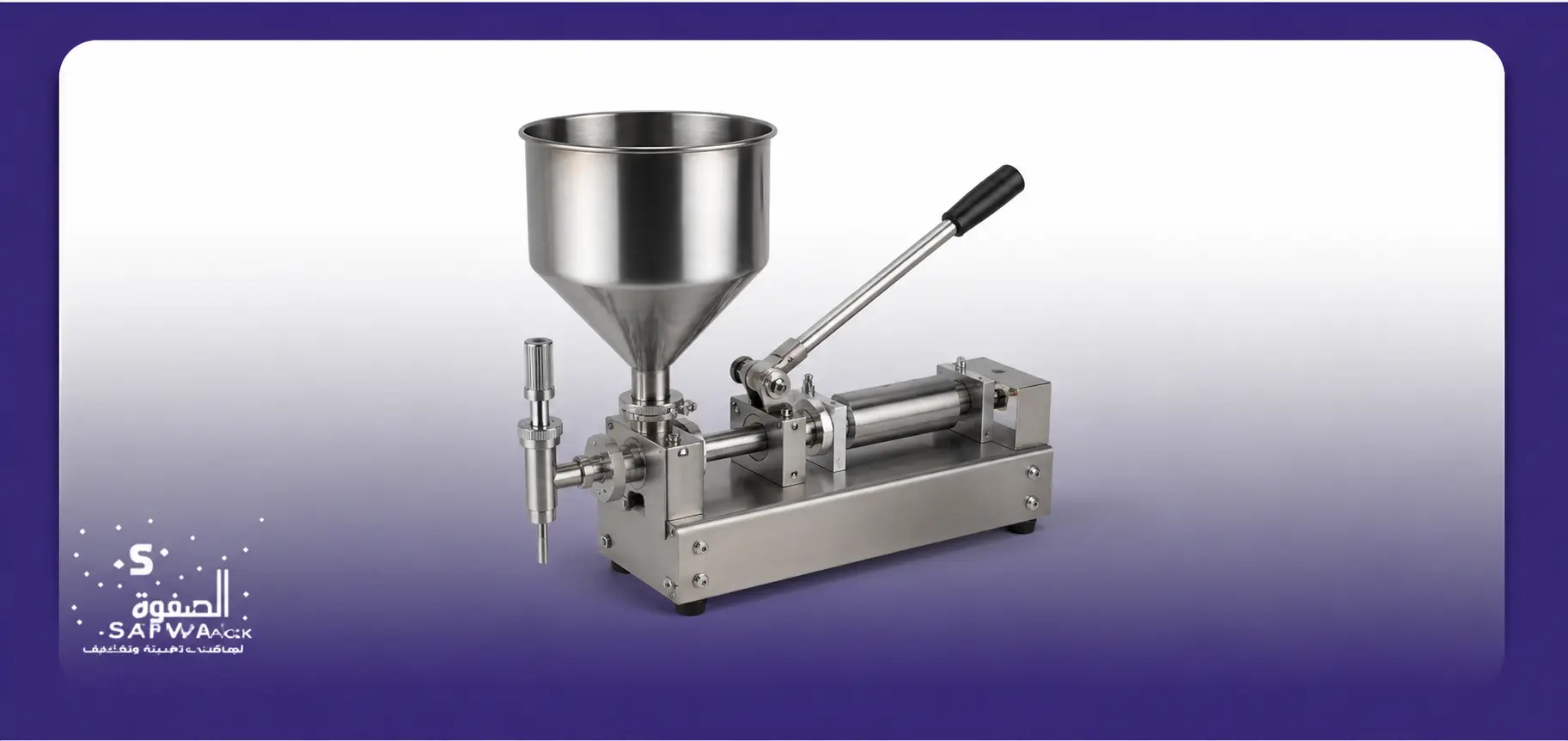
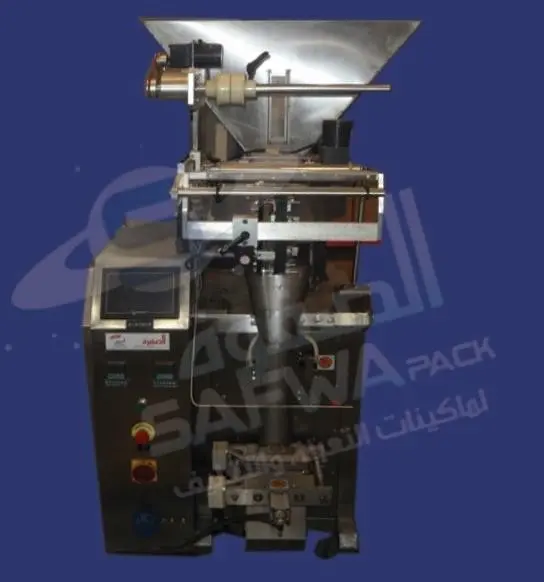
A herb filling and packaging machine is an industrial system used to measure a specific quantity of herbs, place it inside a bag or container, seal it, and prepare it for distribution. Depending on the model, the machine may complete these stages through a semi-automatic or fully automatic process.
The herb filling and packaging machine price varies according to the number of operations performed by the machine, the dosing system, the sealing method, and the required final package format.
These machines can be used for packaging several products, including:
-
Black and green tea.
-
Anise and hibiscus.
-
Mint and chamomile.
-
Thyme and sage.
-
Ground herbs.
-
Herbal and natural blends.
-
Spices and lightweight granules.
-
Tea bags with thread.
Selecting the machine does not only depend on the product type. It is also necessary to study the size of the herb particles, product flowability, required dose, package type, and target production capacity.
You can also learn more about the role of filling and packaging companies in selecting production lines that match the nature of each product.
Contact El Safwa Company:
Types of Herb Filling and Packaging Machines
Before asking about the herb filling and packaging machine price, you should determine the required package type and the nature of the herbs, because each machine uses a different operating system designed for a specific product.
Herb Tea Bag Machine With Thread
This machine is used to produce herbal and tea bags equipped with a thread. Some models may also place the inner tea bag inside an outer envelope to protect it from moisture and preserve its aroma.
This machine is suitable for:
-
Tea and herb factories.
-
Brands offering instant herbal drinks.
-
Medium and large production lines.
-
Products requiring individual, ready-to-use bags.
Herb Packaging Machine for Pyramid Bags
Pyramid bags provide a more distinctive appearance and allow enough space for tea leaves and herbs to expand in hot water. They are suitable for premium products and brands targeting hotels, cafés, and specialised markets.
Ground Herb Filling Machine
This type is used for fine or ground herbal products. It may depend on an auger filling system that helps control the dose and reduce powder dispersion during operation.
Herb Filling Machine by Weight
This machine is suitable for coarse herbs and non-uniform blends that are difficult to measure by volume. The weighing system determines the required quantity for each package according to a predefined weight range.
The herb filling and packaging machine price differs between these types based on the filling system, number of weighing heads, operating speed, and required bag format.
Factors Affecting Herb Filling and Packaging Machine Price
The herb filling and packaging machine price is determined after studying several technical specifications, rather than relying only on the machine’s appearance or country of origin.
1. Level of Automation
Semi-automatic machines usually have a lower initial cost, but they require greater involvement from workers. Fully automatic machines complete dosing, filling, sealing, and cutting in a continuous process, increasing productivity and reducing manual intervention.
The more automated operations the machine performs, the higher the herb filling and packaging machine price, due to the additional control units, sensors, and technical components.
2. Production Speed
The more bags the machine produces per minute, the higher its operating capacity and technical specifications, which affects the final price.
However, selecting the highest possible speed is not always the best decision, because the project may not require that level of capacity during its current stage.
3. Bag and Packaging Type
The price is affected by the type of package required, such as:
-
Standard three-side or four-side sealed bags.
-
Tea bags equipped with thread.
-
Inner tea bags placed inside outer envelopes.
-
Pyramid-shaped bags.
-
Ready-made packages in different weights.
4. Dosing System
The machine may use volumetric dosing, electronic weighing, or an auger filling system. The correct system should be selected according to the size, fineness, and flowability of the herbs.
The dosing system directly affects the herb filling and packaging machine price, especially when using multi-head weighers or high-precision control systems.
5. Materials Used in Manufacturing
Machines made from stainless steel in the product-contact parts are suitable for hygiene requirements and easy cleaning, particularly in food and herbal product projects.
6. Additional Equipment
The herb filling and packaging machine price may increase when adding equipment such as:
-
Production and expiry date printer.
-
Conveyor belt.
-
Registration mark sensor.
-
Bag counting and collecting system.
-
Automatic feeding unit.
-
Digital touchscreen control system.
-
Thread, tag, and outer envelope units.
Comparison Between Herb Filling Machine Types
The following comparison table helps you understand the relationship between the machine type and product requirements before requesting the most suitable herb filling and packaging machine price for your project.
| Machine Type | Suitable Products | Operation Level | Main Advantages | Relative Cost |
|---|---|---|---|---|
| Semi-automatic machine | Herbs filled into ready-made bags or containers | Semi-automatic | Lower initial cost and flexible operation | Low to medium |
| Herb tea bag machine with thread | Tea, anise, mint, and herbal blends | Automatic | Produces convenient individual bags | Medium to high |
| Inner bag inside outer envelope machine | Tea and premium herbs | Automatic | Better protection and professional appearance | High |
| Pyramid bag machine | Whole tea leaves and herbs | Automatic | Distinctive appearance and more space for the herbs | High |
| Weighing filling machine | Coarse herbs and varied blends | Semi-automatic or automatic | Suitable accuracy for irregular products | Depends on the number of weighing heads |
The table shows that the comparison should not be based on price alone. A higher-priced machine may provide better long-term savings if it reduces product waste, labour requirements, and downtime while delivering the required production capacity.
Examples of Herb Packaging Machines Available From El Safwa
El Safwa Company provides different solutions for filling and packaging herbs and tea, helping factory owners select the most suitable system for their required final product and obtain a herb filling and packaging machine price that matches their project budget.
Herb Tea Bag Machine With Thread Inside an Outer Envelope
The herb tea bag machine with thread inside an outer envelope is a suitable solution for producing herbal bags equipped with thread, while placing each inner bag inside an external envelope that helps preserve product quality and aroma.
El Safwa provides systems with a production capacity of up to approximately 120 bags per minute, depending on the machine model and operating conditions.
The external envelope helps to:
-
Protect the inner tea bag.
-
Reduce exposure to moisture.
-
Preserve the product’s aroma and flavour.
-
Provide space for printing brand information.
-
Improve the product’s appearance on retail shelves.
Tea Bag Filling Machine With Thread
El Safwa provides solutions for producing tea bags with thread and an outer envelope, with production capacities suitable for different projects. Some models operate at approximately 25 to 35 bags per minute.
Pyramid Bag Filling Machine
This machine is suitable for tea leaves and herbs that require more space inside the bag. It also helps brands present their products in a more premium and distinctive format compared with traditional flat tea bags.
How to Choose the Right Herb Filling Machine
Before requesting a herb filling and packaging machine price, prepare clear information about your project so the company can determine the model closest to your actual requirements.
The most important information includes:
-
Type of herbs to be packaged.
-
Whether the product is whole, crushed, or ground.
-
Weight of each package.
-
Bag dimensions and format.
-
Type of packaging material.
-
Required number of bags per minute.
-
Number of daily operating hours.
-
Whether the product requires a thread and tag.
-
Whether the product requires an external envelope.
-
Factory space and available power supply.
-
Possibility of future production expansion.
It is also preferable to conduct an actual test using a sample of the product and packaging material before approving the machine, because the behaviour and flow characteristics of herbs differ from one product to another.
For factories planning to expand into other production lines, you can also review the factors affecting the liquid filling machine price and compare liquid product requirements with dry product packaging systems.
Operating and Maintenance Costs of Herb Filling Machines
When calculating the herb filling and packaging machine price, the total cost should not be limited to the purchase price. Daily operating expenses, maintenance costs, and production materials should also be considered.
The main operating expenses include:
-
Electricity or compressed air consumption.
-
Packaging film, outer envelopes, thread, and tags.
-
Operator and labour costs.
-
Consumable spare parts.
-
Cleaning product-contact components.
-
Maintenance of sealing and cutting units.
-
Calibration of the weighing or dosing system.
-
Product and packaging waste caused by inaccurate operation.
To reduce operating expenses, clean the machine regularly, avoid using unsuitable packaging materials, and train operators to change package sizes and correctly adjust temperature and dosing settings.
The cheapest machine at the time of purchase may become more expensive during operation if it consumes more packaging material, experiences frequent downtime, or lacks reliable maintenance and spare parts support.
Why Choose El Safwa for Herb Filling Machines?
El Safwa helps you select the filling system based on the actual characteristics of your product, instead of offering one machine model for every project. The company can also provide a more accurate estimate of the herb filling and packaging machine price according to the required specifications and production capacity.
El Safwa’s solutions include machines for herbs, tea bags with thread, pyramid bags, powders, and granules, in addition to sealing, printing, and packaging machines.
Working with a specialised company helps you to:
-
Study the product before selecting the machine.
-
Choose the correct dosing system.
-
Determine the required production speed.
-
Reduce material waste.
-
Prepare a production line that can be expanded.
-
Receive technical support and after-sales services.
-
Select a solution that matches the project budget and actual needs.
You can also explore El Safwa packaging articles to learn more about production line solutions and the factors affecting machine prices.
Conclusion
The herb filling and packaging machine price depends on the product type, dosing system, bag format, production speed, level of automation, and additional equipment. For this reason, your comparison should not begin with price alone, but with the actual requirements of your project and the production capacity you aim to achieve.