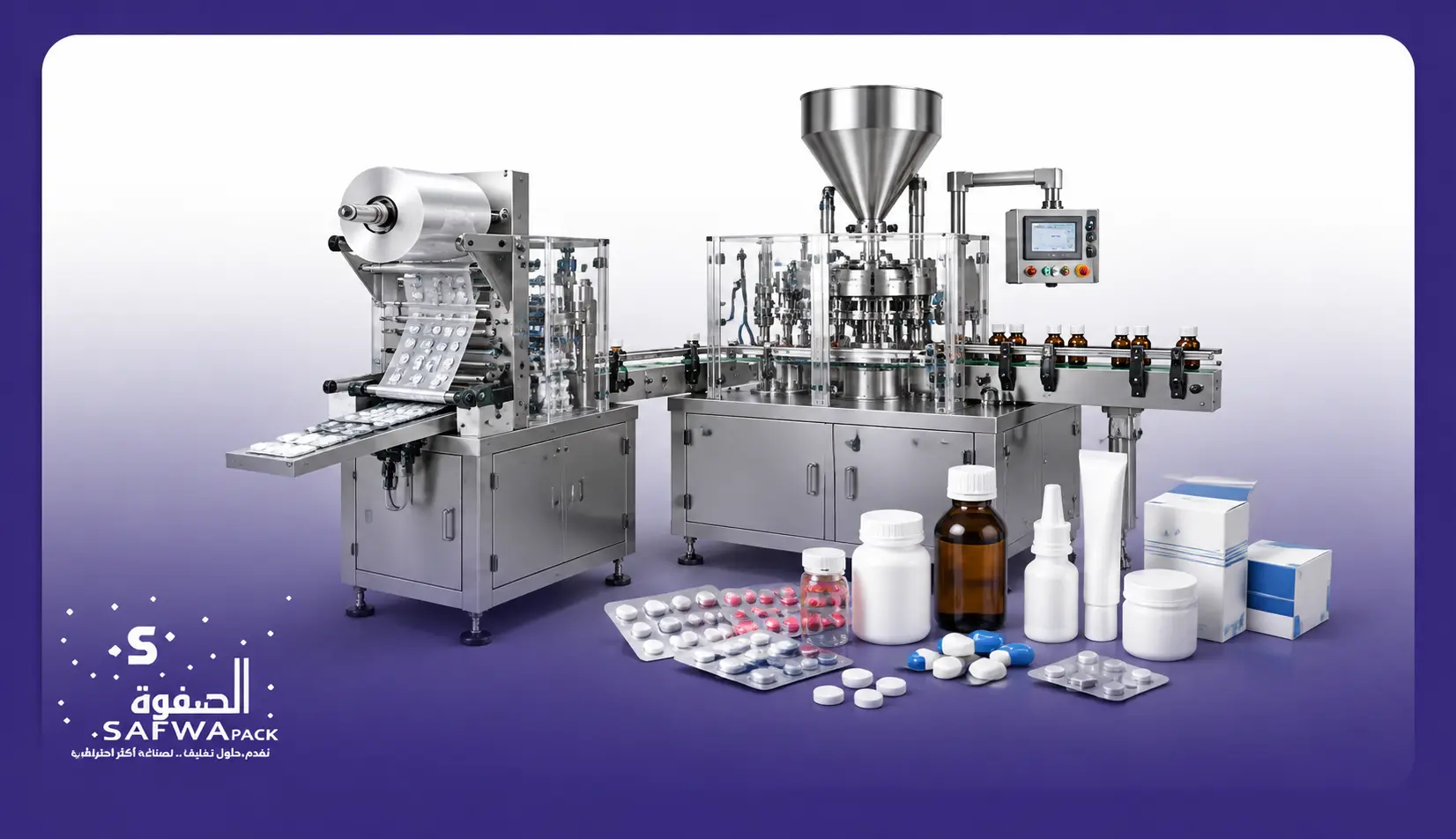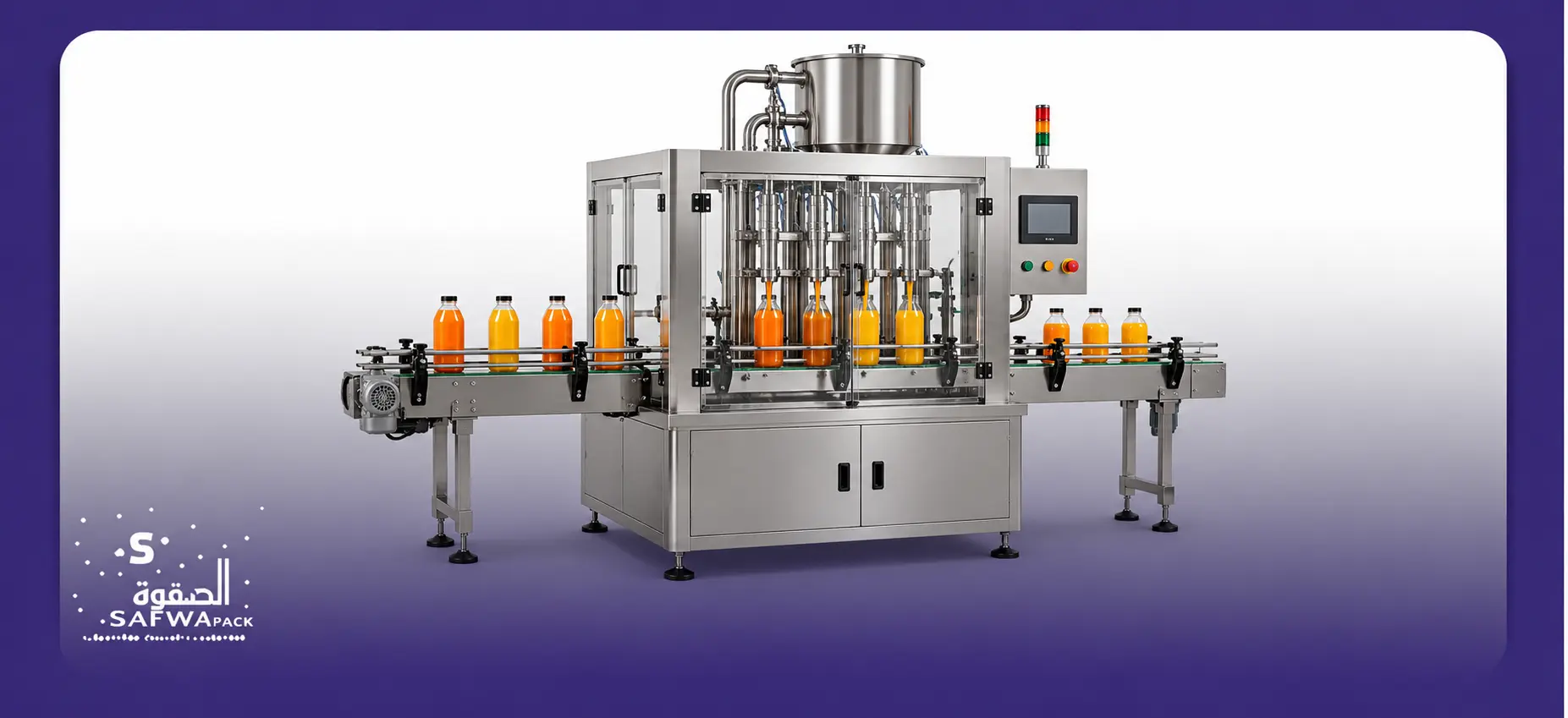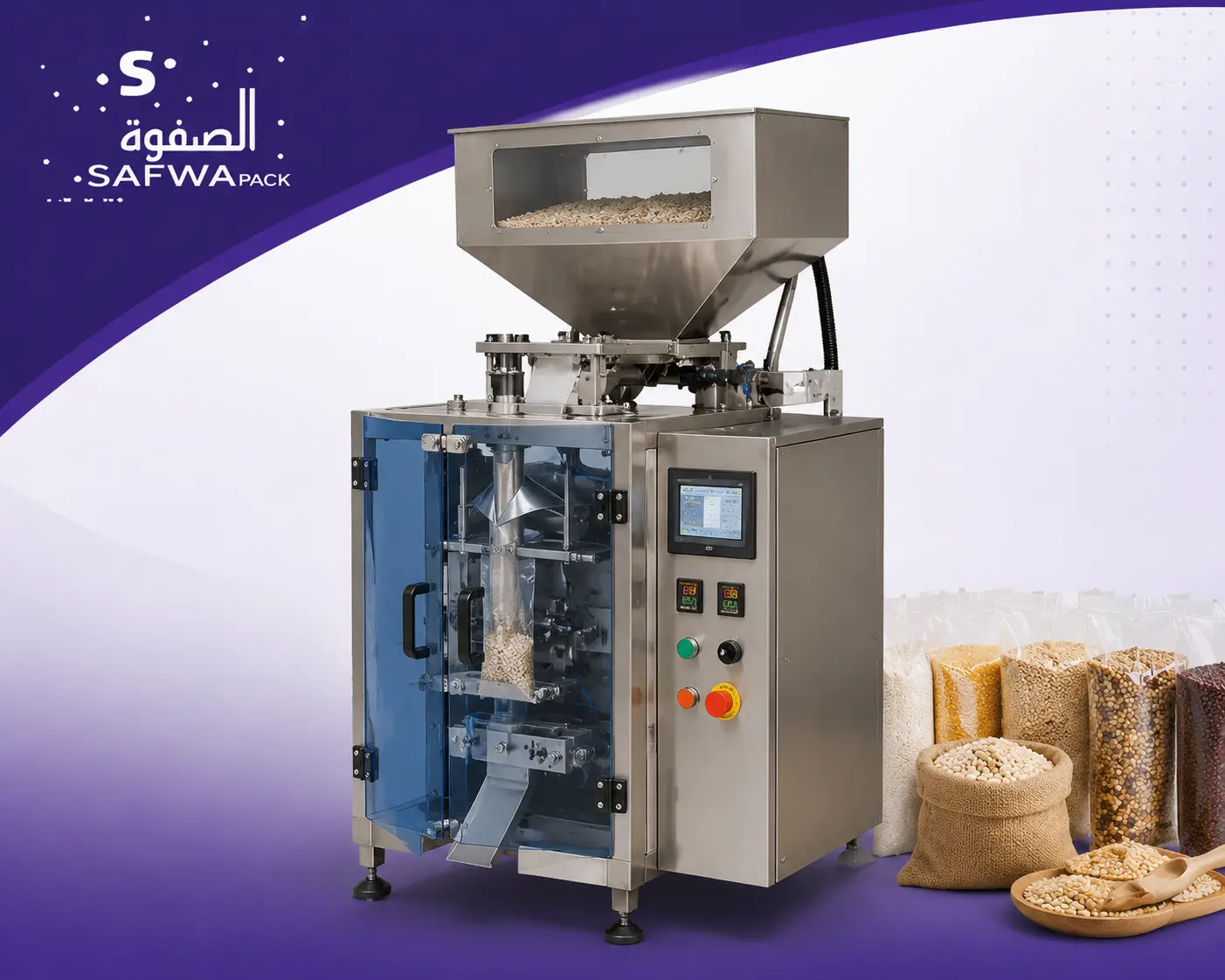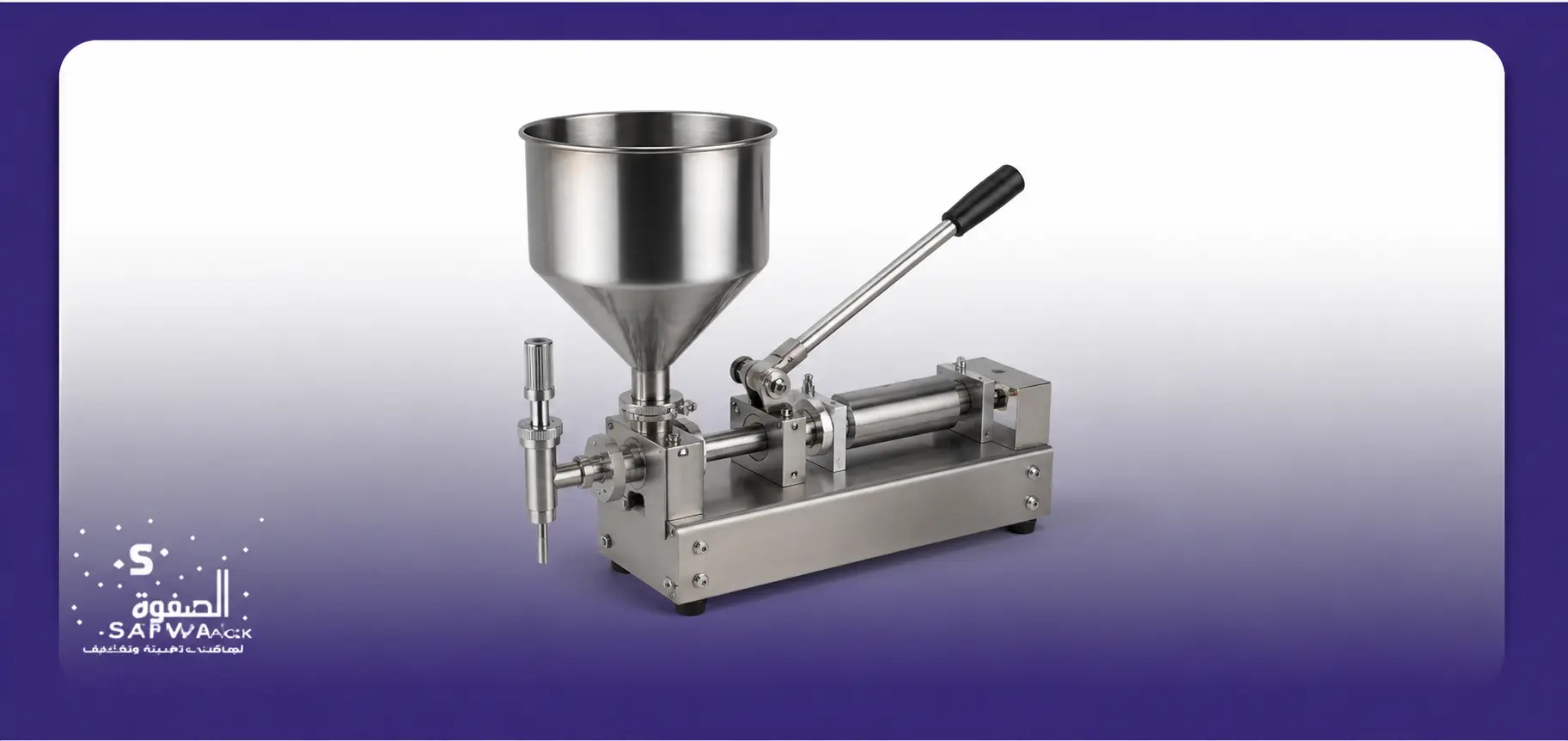
A feasibility study for filling and packaging projects is the first step in turning any production idea into a clear business with measurable costs and chances of success. This is especially important given the wide variety of products that require packaging, from grains and spices to liquids, detergents, and products for e-commerce stores.
However, project success does not depend only on purchasing a machine and starting operations. It requires selecting a product with real demand, identifying the target customer, calculating packaging costs, choosing the right machine for the production volume, and creating a marketing and distribution plan. This guide explores filling and packaging project ideas suitable for 2026, along with the key steps for preparing a feasibility study and avoiding common risks.
Why Are Filling and Packaging Projects Still a Good Opportunity in 2026?
Packaging is involved in almost every sector, including food, beverages, detergents, cosmetics, pharmaceuticals, and e-commerce. Whenever a new product or emerging brand enters the market, there is a need for packaging that protects the product and helps display and market it.
Key factors supporting this sector include:
-
The growing number of local brands.
-
The expansion of online stores.
-
Small factories’ need for outsourced packaging services.
-
Growing demand for small and economical packages.
-
Consumer interest in package design and ease of use.
-
Companies’ efforts to reduce waste and improve production accuracy.
-
The ability to start with limited capacity and expand gradually.
However, success opportunities vary from one product to another. Therefore, the actual market must be studied rather than relying only on the popularity of the business idea.
1. Grain and Legume Packaging Project
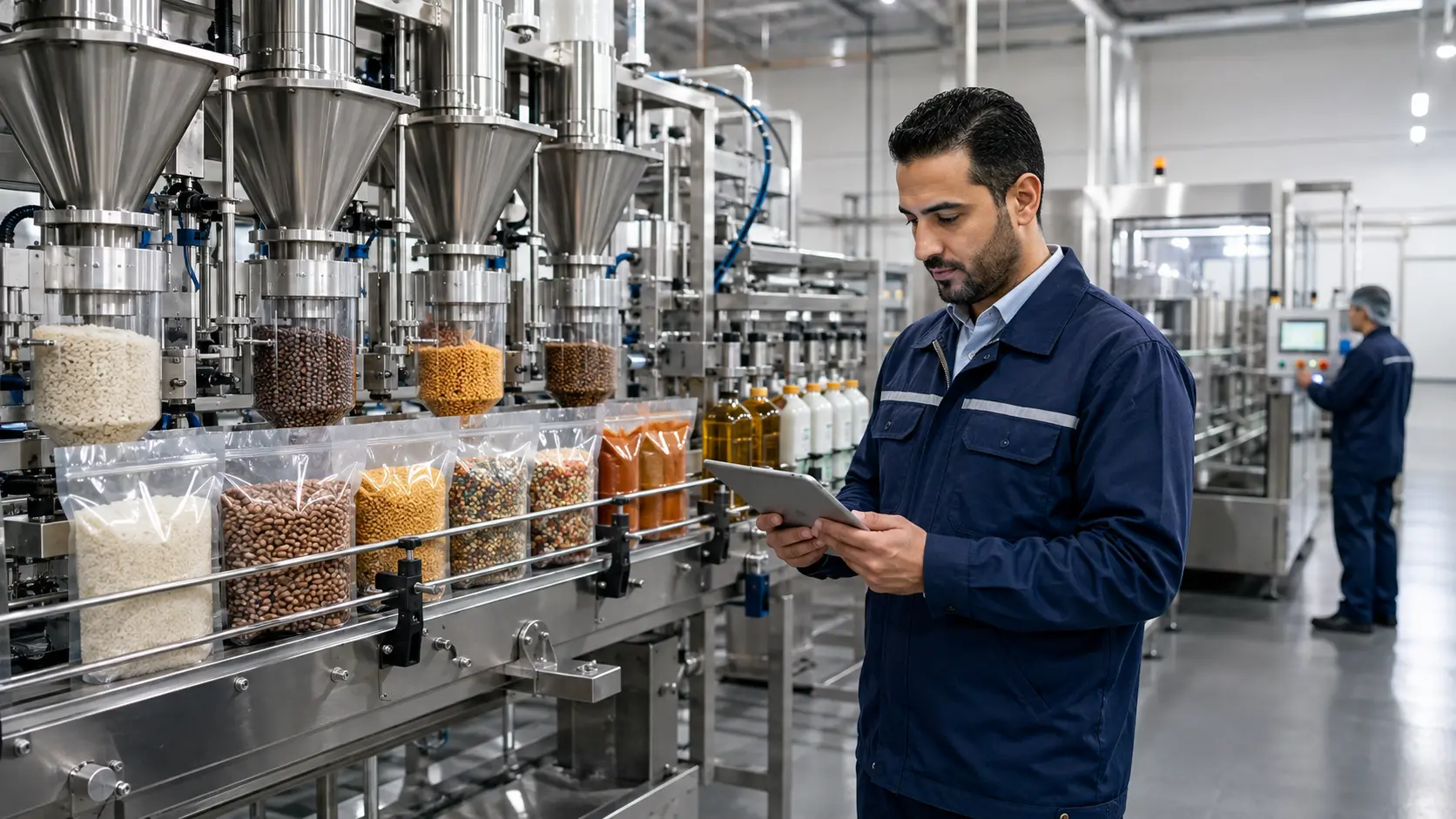
Packaging rice, sugar, lentils, fava beans, beans, and pasta is a project that serves continuous consumer demand. The business can sell products under its own brand or provide packaging services for wholesalers, stores, and emerging brands.
The project usually requires a suitable weighing system, a machine for forming, filling, and sealing bags, and a printer for production and expiry dates. Machine selection depends on package weight, scale accuracy, and the required number of bags per minute.
Project Success Factors
-
Selecting high-quality, consistently sourced raw materials.
-
Offering more than one package weight.
-
Using strong bags with a clear design.
-
Contracting with grocery stores and supermarkets.
-
Monitoring weight accuracy and reducing waste.
-
Complying with food-handling and packaging requirements.
The main risks are raw-material price fluctuations and intense competition. These risks can be reduced by working with more than one supplier and avoiding large purchases before testing sales movement.
2. Spice and Powder Packaging Project
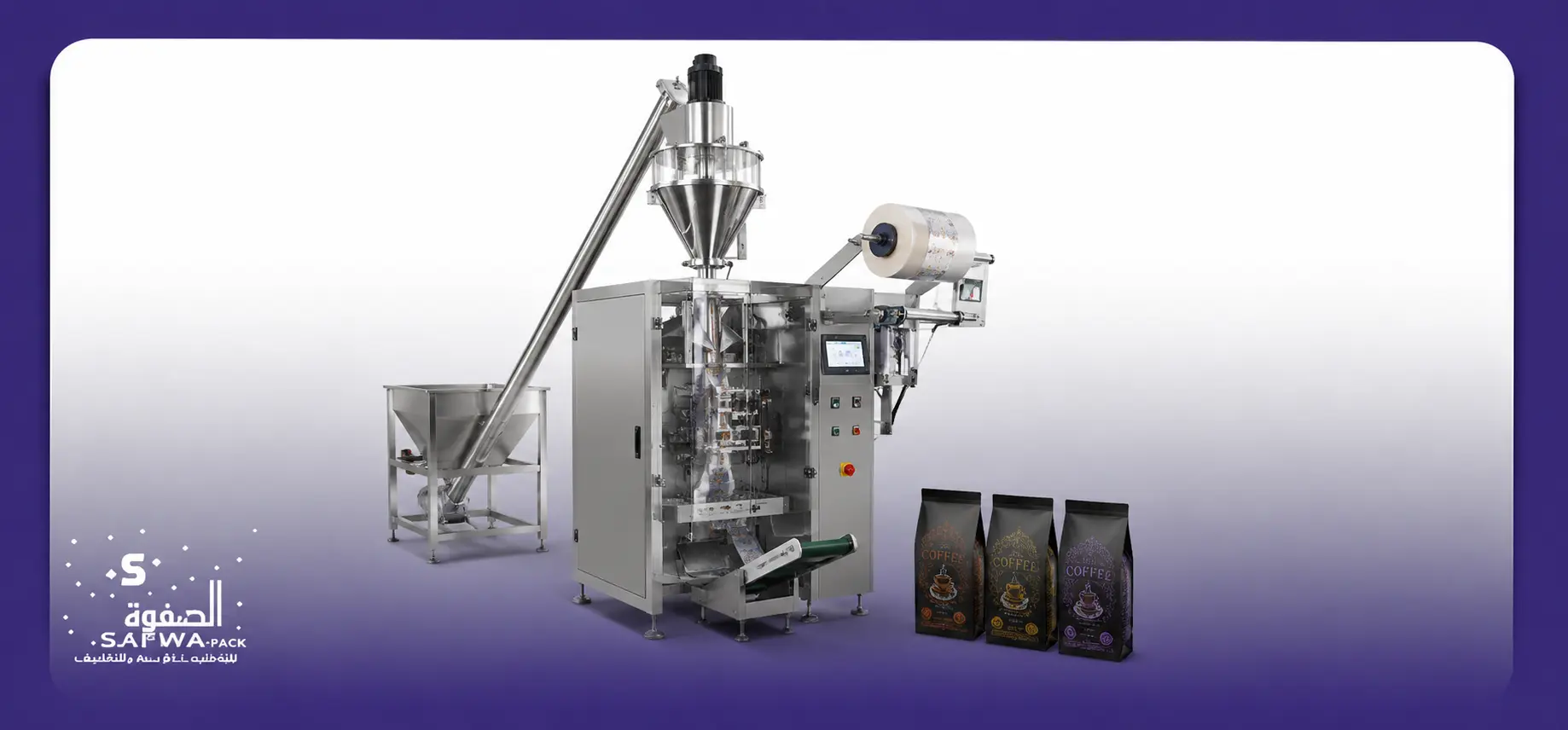
This idea includes packaging spices, coffee, herbs, flour, beverage powders, and some non-food powdered products. The project can offer small and varied weights suitable for retail stores, hotels, and restaurants.
Machine selection depends on the nature of the powder, as fine powder does not move in the same way as grains. Some products may require a volumetric filling system, while others need an auger or specialized dosing system to control quantities and reduce powder dispersion.
What Should Be Studied Before Implementation?
-
Product fineness and density.
-
Required package weight.
-
Product sensitivity to moisture.
-
Packaging material and its suitability for the product.
-
Daily production rate.
-
How to clean parts that come into contact with the powder.
-
The need for dust extraction or powder-dispersion control.
It is better to start with a limited product range rather than launching many items at once, then expand based on actual sales.
3. Liquid Detergent Filling Project
This project includes filling liquid soap, floor cleaners, disinfectants, dishwashing liquid, and other products. It can target end consumers, detergent shops, hotels, restaurants, and cleaning companies.
The required machine varies according to liquid viscosity, container size, number of filling heads, and cap and label application method. Therefore, an actual product sample should be tested before selecting the suitable system.
The project can operate under a private brand or provide contract filling services. In the second case, it is important to compare suppliers based on manufacturing quality, technical support, and spare-parts availability—not only purchase price.
Key Challenges
-
Differences in product viscosity.
-
Foam formation during filling.
-
Container leakage caused by improper sealing.
-
The need to clean the line when changing products.
-
Compliance with chemical-handling and storage requirements.
Testing the product, container, and cap together before commercial operation helps identify many of these issues early.
4. Honey, Sauce, and Viscous Product Filling Project
This project targets producers of honey, tahini, ketchup, mayonnaise, sauces, and thick-consistency products. These products require a machine capable of drawing and filling the material consistently without leaving large amounts in tanks or pipes.
The suitable equipment depends on viscosity, product temperature during filling, container size, sealing method, and required hygiene level.
The project can create added value by:
-
Offering containers in different sizes.
-
Providing filling services for emerging brands.
-
Designing packages for hotels and restaurants.
-
Using containers that are easy to open and store.
-
Including labeling and data printing as part of the service.
-
Handling small orders that large factories may not accept.
Quality here is not related only to the product itself. Any filling or sealing mistake can affect package appearance and safety during transport and storage.
5. Vacuum Packaging Project
Vacuum packaging is used for meat, poultry, fish, cheese, dates, nuts, and some industrial products. It removes air from the bag and seals it tightly, helping protect the product and improve its presentation according to the material type and storage requirements.
The project can target food factories, restaurants, butcher shops, farms, and frozen-food producers. The service can be provided to third parties or integrated into an existing factory.
Before implementation, determine:
-
Product dimensions.
-
Bag size.
-
Number of packages per day.
-
Product type and temperature.
-
Required vacuum level.
-
Machine-room space.
-
Whether a single-chamber or double-chamber machine is needed.
-
Packaging material and its compatibility with the product.
The storage requirements of every product must be considered, as vacuum packaging does not replace refrigeration or freezing when the product requires them.
6. E-Commerce Product Packaging Project
Online stores need orders to be prepared in a way that protects products during shipping and provides customers with a positive unboxing experience. Services can include order packing, heat shrink wrapping, label application, bundling multiple products, and adding protective materials or outer cartons.
Potential clients include cosmetics, accessories, clothing, small electronics, gifts, and home-product stores.
Potential Revenue Sources
-
Charging a fee for each prepared order.
-
Offering monthly packages for stores.
-
Selling packaging materials with the service.
-
Charging extra fees for design and printing.
-
Providing storage and shipment-preparation services.
-
Creating packages for occasions and seasonal promotions.
The main advantage of this model is the potential for recurring contracts. However, success requires accurate inventory management, fast order preparation, and a clear system to prevent shipping errors.
7. Small Packaging Project for Emerging Brands
An investor does not have to start with a fully automatic production line. A small project can be launched to serve home-based and emerging brands that need to package limited quantities of legumes, spices, grains, or liquid products.
In this case, a small or semi-automatic filling and packaging machine can be a suitable starting point, provided it matches the product type, required capacity, and expansion plan.
Start with a limited number of clients and monitor order volume, operating time, waste percentage, breakdowns, and labor cost per package. This information will show when upgrading to a faster machine or integrated line becomes an economically sound decision.
How to Prepare a Practical Feasibility Study for a Filling and Packaging Project
A feasibility study should not be only a list of equipment prices. It should be an integrated analysis of the market, operations, financing, and marketing. It can be prepared through the following steps:
1. Define the Product Precisely
Do not start with a general statement such as, “I want to establish a packaging factory.” Define the product, its characteristics, package size, packaging material, sealing method, and daily production capacity.
2. Study the Target Customer
Determine whether you will sell directly to consumers, distributors, supermarkets, restaurants and hotels, or provide contract packaging services. Each segment has different requirements for price, quantity, and package design.
3. Test Demand Before Buying Equipment
Contact potential customers and obtain realistic indicators about required quantities and acceptable prices. It is better to secure trial orders or letters of intent before making a significant investment.
4. Design the Production Stages
Map the product journey from receiving raw materials until it reaches its final form. This usually includes:
-
Receiving and inspecting the product.
-
Preparation or mixing when needed.
-
Feeding the product into the machine.
-
Measuring and filling.
-
Sealing or welding.
-
Printing product information.
-
Applying labels.
-
Inspection and carton packing.
-
Storage and distribution.
This sequence helps identify the required equipment, space, and workforce without buying unnecessary items.
5. Choose the Machine According to Actual Production Needs
Do not make maximum speed the only selection factor. Compare machines based on filling accuracy, weight range, ease of cleaning, power consumption, maintenance availability, and the ability to change package types or add future units.
What Are the Costs of Starting a Filling and Packaging Project?
Costs are divided into initial investment and monthly operating expenses.
Startup Costs
-
Purchasing the filling machine.
-
Sealing or welding machine.
-
Production and expiry-date printer.
-
Conveyors and feeding units.
-
Site preparation, electricity, and ventilation.
-
Inspection and weighing tools.
-
Furniture and storage equipment.
-
Required licenses and registrations.
-
Package design and brand identity.
-
Initial operating inventory.
A fixed cost cannot be determined without knowing the product, specifications, and production capacity. When reviewing machine quotations, compare the details of every offer and what it includes, such as accessories, installation, training, warranty, and technical support.
Operating Expenses
-
Purchasing raw products.
-
Bags or container materials.
-
Cartons and labels.
-
Labor and management salaries.
-
Electricity, water, and compressed air.
-
Transport and storage.
-
Marketing and commissions.
-
Maintenance and spare parts.
-
Returns and waste.
-
Taxes and activity-related fees.
How to Calculate the Break-Even Point
The break-even point is the number of packages that must be sold to cover expenses without making a profit or loss. It is calculated using the following formula:
Break-Even Point = Monthly Fixed Costs ÷ Contribution Margin per Package
The contribution margin is the package selling price after deducting its variable cost.
For example, if monthly fixed costs are EGP 90,000, the package selling price is EGP 30, and the variable cost is EGP 21, the contribution margin is EGP 9. The project would therefore need to sell 10,000 packages per month to reach break-even. This is only an illustrative example, and the figures should be replaced with the project’s actual costs.
Three Scenarios to Include in Your Calculations
Do not rely on one sales forecast. Prepare three scenarios:
Conservative Scenario
This assumes lower sales, higher raw-material prices, and a longer time to reach customers. It shows whether the project can withstand difficult conditions.
Expected Scenario
This is based on average demand, actual quotations, and realistic operating costs. It should be the main scenario used for decision-making.
Optimistic Scenario
This assumes increased sales and a higher percentage of machine-capacity utilization. It is useful for identifying expansion needs but should not be the only basis for an investment decision.
Mistakes That May Threaten Project Success
-
Buying the machine before defining the product and package.
-
Relying on machine price without reviewing specifications.
-
Overestimating sales.
-
Ignoring packaging-material costs.
-
Failing to calculate waste and returns.
-
Operating different products without a cleaning plan.
-
Not ensuring spare-parts and maintenance availability.
-
Relying on one customer only.
-
Neglecting quality and storage requirements.
-
Choosing a machine that does not allow future expansion.
How Can El Safwa Pack Help Prepare Your Project?
El Safwa Pack specializes in designing and manufacturing filling and packaging solutions for various industrial sectors. It provides options suited to product type, container shape, automation level, and required production capacity.
The right choice starts with analyzing the product and operating needs, then determining suitable equipment instead of buying machinery that is larger or smaller than the project requires. Technical support and after-sales services are also important for maintaining stable production and reducing downtime.
Conclusion
A feasibility study for filling and packaging projects is not complete simply by calculating machine prices. The right decision should combine real market demand, equipment compatibility with the product, package-cost calculations, break-even analysis, and a clear sales and distribution plan.
If you are planning to launch a new project or upgrade an existing line, contact El Safwa Pack to discuss your product type and target production capacity and receive a technical recommendation that helps you choose the right filling and packaging machine for your project.
Frequently Asked Questions
Is a filling and packaging project profitable?
It can be profitable when there is clear demand, appropriate pricing, and effective control of raw-material and waste costs, along with operating a sufficient percentage of the machine’s capacity.
What is the best filling and packaging project for beginners?
Packaging grains or spices in limited weights can be a suitable starting point because the products are straightforward and can be expanded gradually. However, the final choice should depend on demand in the target market.
Should I start with a semi-automatic or automatic machine?
A semi-automatic machine is often suitable for limited or trial production, while an automatic system is more suitable for large quantities, continuous operation, and reducing manual intervention.
What is the most important information to define before requesting a quotation?
You should define the product type and characteristics, package size, required production capacity, and automation level, as this information determines the machine design and specifications