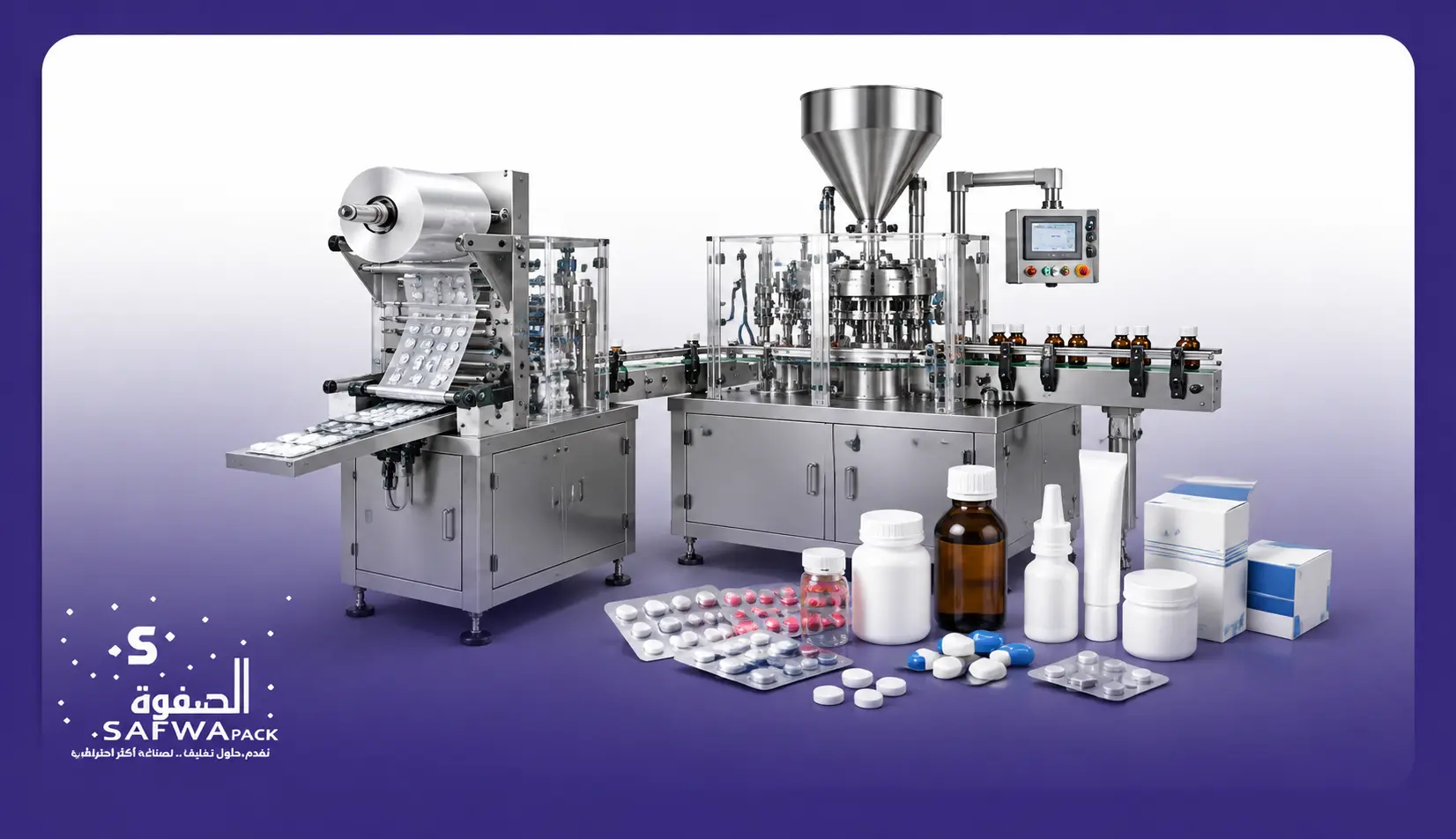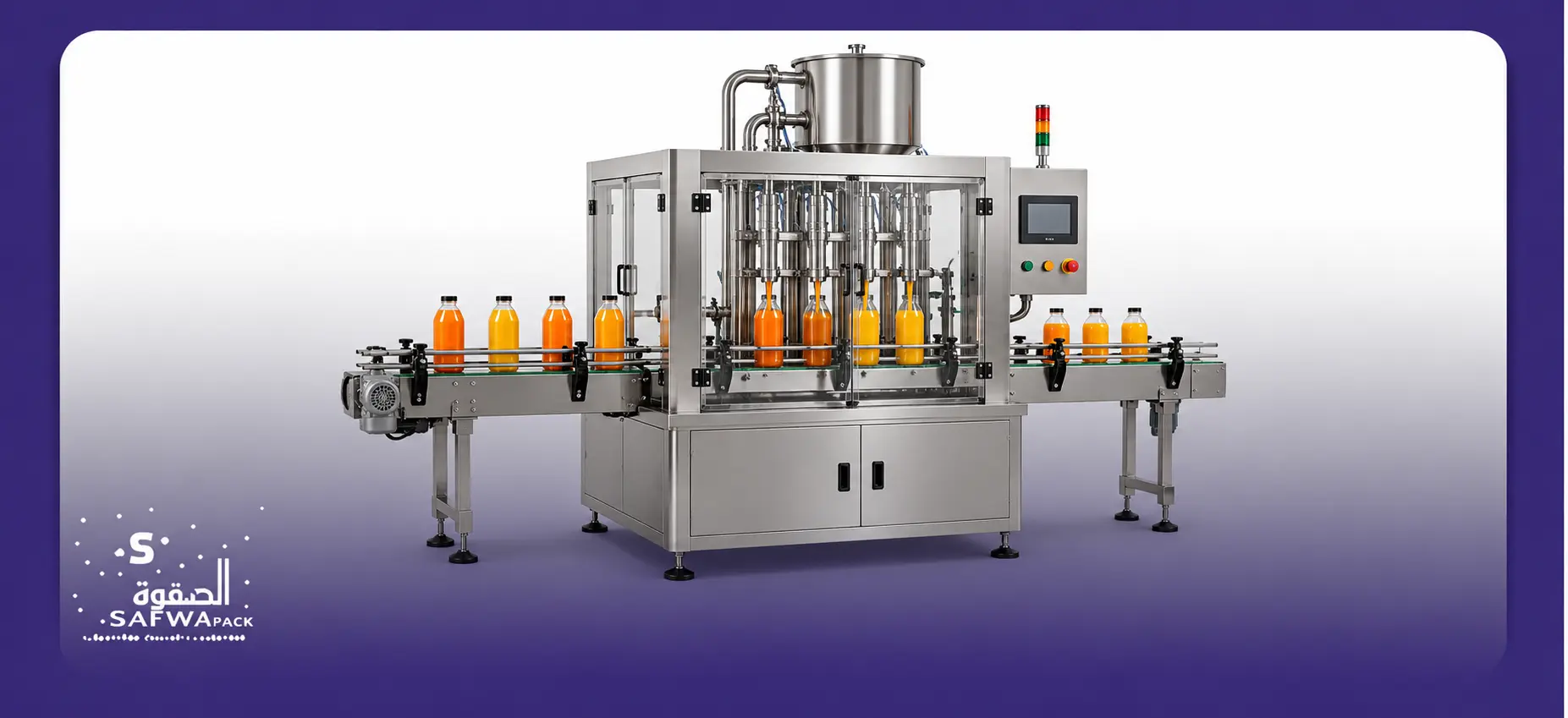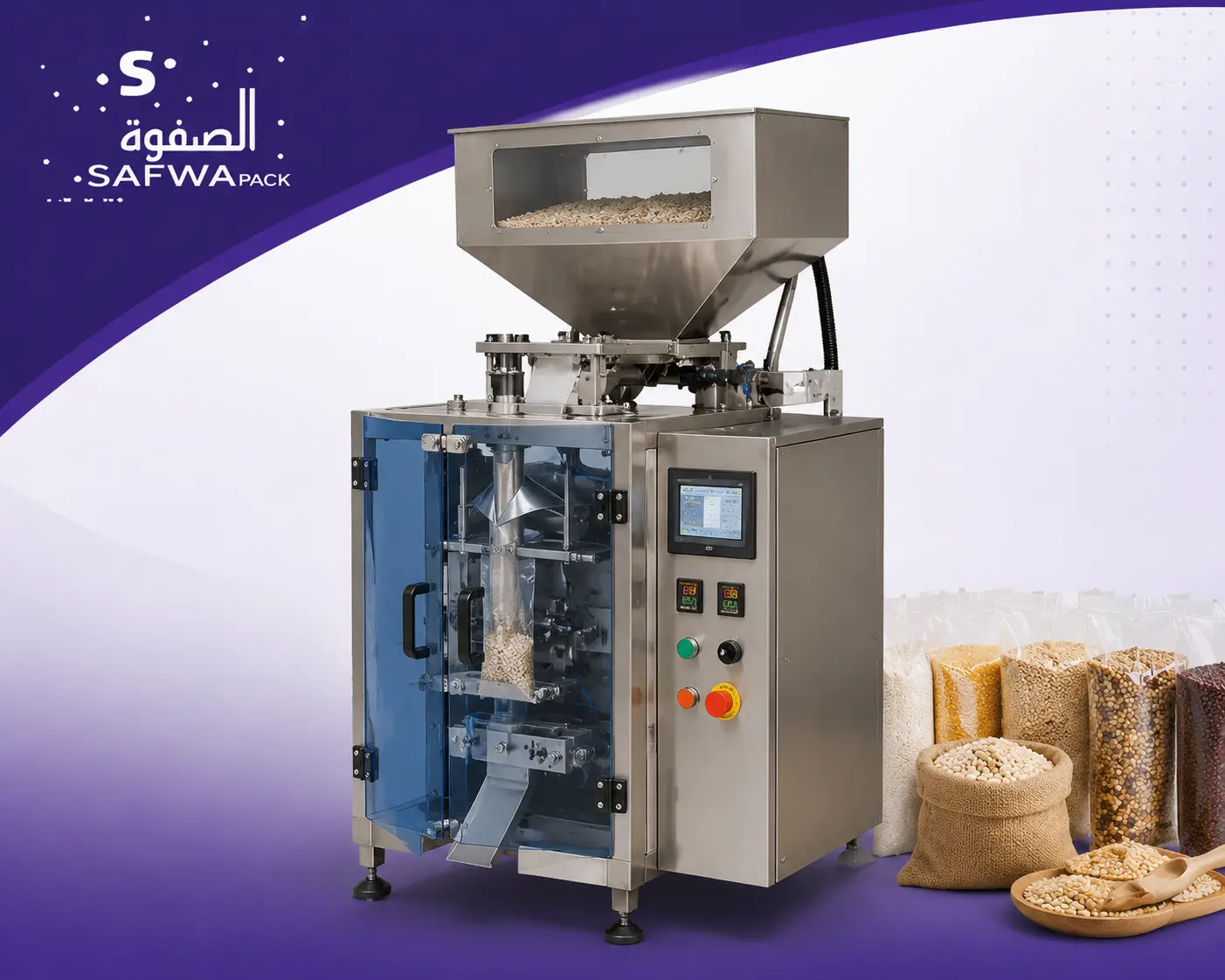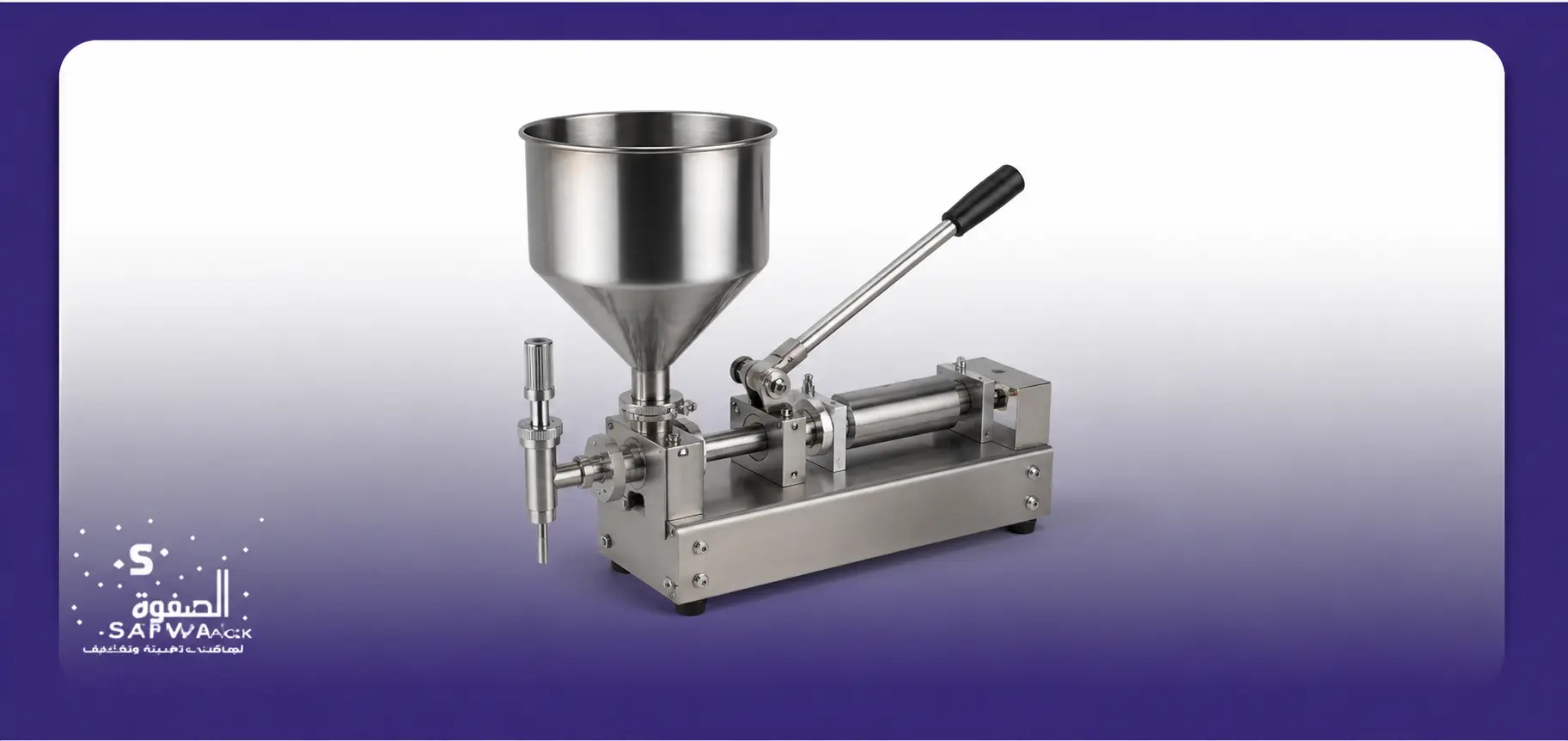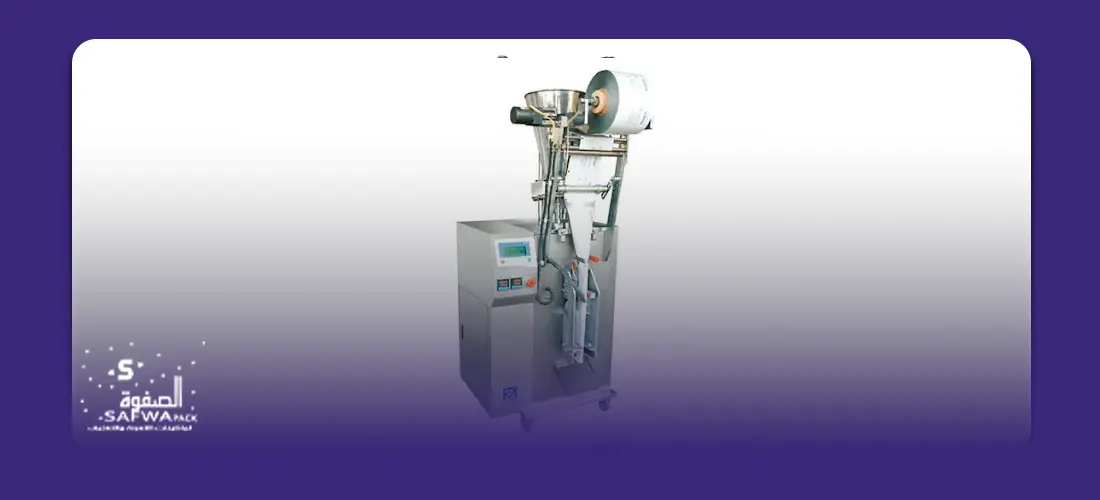
Filling and packaging machine prices in Egypt vary according to the product type, package capacity, production output, automation level, and the stages required within the production line. Therefore, there is no single price suitable for every project. A sugar filling machine uses a different system and components from a liquid or powder filling machine, while a semi-automatic machine costs less than a complete automatic line.
When comparing filling and packaging machine prices, do not look only for the lowest figure. Compare filling accuracy, production speed, component quality, ease of cleaning and maintenance, and technical support availability. The right machine is the one that provides the best cost per package with minimal waste and downtime.
El Safwa for Filling and Packaging Machines helps you evaluate the product, package, and production volume before selecting the most suitable machine or production line. To receive an accurate price, provide the product type, package weight, and required production rate.
Filling and Packaging Machine Prices by Operating Type
The following table provides a general indication of the expected price level. The final quotation is determined after approving the technical specifications, as adding a more accurate weighing system, additional filling heads, or sealing and printing units may change the total cost.
| Machine Type | Price Level | Production Capacity | Suitable For |
|---|---|---|---|
| Manual filling machine | Lowest cost | Low | Startups and limited production |
| Semi-automatic machine | Medium | Low to medium | Small projects and emerging factories |
| Automatic machine | Relatively high | Medium to high | Factories with regular production |
| Complete filling and packaging line | Custom quotation | High | Large factories and continuous production |
What Factors Determine Filling and Packaging Machine Prices?
The price is determined by several interconnected factors. Changing one element, such as operating speed or bag shape, may require a different filling or sealing system and affect the total machine cost.
1. Type of Product to Be Filled
Product characteristics are the first factor affecting filling and packaging machine prices. Liquids require a filling system compatible with viscosity and foaming behavior, powders need a system that considers density and flowability, while grains usually rely on weight-based or volumetric measuring systems.
-
Low-viscosity liquids require different equipment from sauces and highly viscous liquids.
-
Airborne powders need equipment that reduces waste and maintains a clean production environment.
-
Grains vary according to particle size and required weighing accuracy.
-
Food products require suitable materials for all product-contact parts.
2. Package Weight and Shape
A machine designed for small gram-sized packages differs from one intended for packages weighing one kilogram or more. The package type—whether a bag, bottle, or jar—also affects the feeding, filling, and sealing systems.
Running several package sizes on the same machine may require change parts or additional settings.
3. Production Speed
As the required number of packages per minute or hour increases, the project needs faster components, more filling lanes or heads, and a more advanced control system.
The actual required production output should therefore be determined instead of selecting the highest available speed without a genuine need, as unnecessary capacity increases the initial investment.
4. Automation Level
Manual and semi-automatic machines require greater operator involvement, while automatic machines perform more stages consecutively.
Automation increases the purchase price, but it may reduce labor costs and errors while improving production consistency over the long term.
5. Sealing, Welding, and Printing Systems
The price is affected by the package-closing method, seal style, and the addition of date printers, labeling systems, or cap-placement units.
Every additional stage requires appropriate components and must be included when comparing quotations.
6. Manufacturing and Component Quality
The machine body material, control units, sensors, motors, and assembly quality all affect price and operating lifespan.
It is not enough for two machines to appear similar. They may differ significantly in weighing accuracy, operating stability, and spare-parts availability.
7. Warranty and After-Sales Service
Installation, training, technical support, and maintenance have direct value. Production-line downtime may cost more than the difference between two machine quotations.
Before purchasing, review the warranty coverage, response time, spare-parts availability, and everything included in the quoted price.
Manual Filling and Packaging Machine Prices
Manual machines are usually the least expensive because they rely on the operator for a large part of the work cycle. They are suitable for projects testing a new product or producing limited quantities without requiring high speed.
Before purchasing, calculate the number of workers required, filling time per package, dosage accuracy, and expected waste percentage.
A manual machine may have a low purchase price, but increasing demand may eventually make upgrading to a semi-automatic machine more economical.
Semi-Automatic Filling and Packaging Machine Prices
Semi-automatic machines provide a balance between purchase cost and ease of operation. The machine performs filling or measuring automatically, while the operator places the package or moves it to the next stage.
This makes semi-automatic machines suitable for small projects and factories that want to increase production gradually.
Semi-automatic filling and packaging machine prices vary according to:
-
Product type.
-
Filling range.
-
Dosage accuracy.
-
Manufacturing materials.
-
Control system.
-
Production capacity.
-
Required accessories.
Automatic Filling and Packaging Machine Prices
Automatic machines are more expensive because they can perform several stages, including bag forming, weighing, filling, sealing, cutting, and date printing, with less human involvement.
They are suitable for factories with continuous demand that need regular and stable production.
To choose an automatic machine correctly, specify:
-
Required number of packages per minute.
-
Bag type.
-
Weight range.
-
Required filling accuracy.
-
Daily operating hours.
This information allows you to compare machines with similar capabilities instead of comparing systems with substantially different performance.
Sugar and Grain Filling Machine Prices
Food-project owners often search for the price of an automatic sugar filling machine or equipment suitable for rice, salt, and legumes.
The price is determined by:
-
Weighing system.
-
Package capacity.
-
Production speed.
-
Bag type.
-
Number of weighing heads or lanes.
-
Automation level.
Semi-automatic machines are suitable for limited and medium production, while automatic systems are more appropriate for factories that need to form, fill, and seal bags continuously.
Four-Lane Multi-Lane Granule Filling Machine
A multi-lane granule filling machine increases production capacity by operating four lanes simultaneously.
It is suitable for small granules and doses of up to 15 ml, depending on the product and operating specifications. The presence of several lanes increases the price compared with a single-lane machine, but it also increases the number of packages produced within the same period.
Powder Filling Machine Prices
The price of a powder filling machine is affected by the product’s density and flow behavior, dosage range, bag type, seal design, and requirements for reducing airborne powder.
Spices, flour, and detergent powders do not behave in the same way during filling. The product should therefore be tested, or a representative sample should be evaluated, before approving the system.
Powder Filling Machine with Three-Side or Four-Side Sealing
This machine category combines a powder filling system with bag forming and three-side or four-side sealing.
The final cost is affected by:
-
Rotary or pneumatic operating system.
-
Dosage range.
-
Materials used for product-contact parts.
-
Required production capacity.
-
Control system.
-
Bag dimensions.
These machines are suitable for small packages when their specifications match the product.
Liquid Filling Machine Prices
The cost of a liquid filling machine depends on viscosity, the presence of foam or particles, container size, number of filling heads, and pumping system.
Low-viscosity liquids require different equipment from sauces or creams. Some products may also need easily removable parts for faster and more effective cleaning.
Tea Bag Filling and Packaging Machine with String and Outer Envelope
This machine fills tea into filter bags with strings and packs each bag inside an outer envelope during an automatic production cycle.
It helps maintain a consistent final product appearance and reduce manual handling. Depending on operating settings and product specifications, production capacity may range from 25 to 35 bags per minute.
Toothpick Filling and Packaging Machine
This is a specialized machine designed to fill and package toothpicks automatically.
Specialized machines generally cost more than basic equipment because they are designed for a specific product and package format. However, they increase speed, standardize packaging appearance, and reduce reliance on manual labor.
Operating, Maintenance, and Return-on-Investment Costs
Filling and packaging machine prices are not limited to the purchase amount. The right decision should consider the total cost throughout the machine’s operating life, including:
-
Electricity and compressed-air consumption.
-
Number of workers.
-
Packaging materials.
-
Maintenance.
-
Spare parts.
-
Waste percentage.
-
Downtime.
The cost per package can be calculated by adding all operating expenses over a specified period and dividing the result by the number of acceptable packages produced.
A machine with a higher purchase price may provide a lower cost per package if it is faster, more accurate, and requires fewer workers.
When comparing machines:
-
Compare energy consumption at similar production rates.
-
Ask about the maintenance schedule and consumable spare parts.
-
Calculate waste caused by weight variations or poor sealing.
-
Include product or package-size changeover time.
-
Consider the cost of production downtime in the event of a breakdown.
How Do You Compare Filling Machine Quotations?
Two suppliers may offer machines with the same name but different specifications. You should therefore request a written technical quotation before comparing prices.
Use the following checklist:
-
Product suitability: Is the machine genuinely compatible with your product?
-
Filling range: What are the minimum and maximum weights or volumes it can handle?
-
Actual output: How many packages can it produce per minute using your product and target weight?
-
Accuracy: What level of variation is expected under the agreed operating conditions?
-
Materials: What materials are used for product-contact parts?
-
Components: What types of control systems, sensors, and motors are used?
-
Accessories: Does the price include sealing, printing, and conveyors?
-
Services: Does the quotation include installation, training, and warranty?
-
Delivery: What is the manufacturing, preparation, and testing period?
-
Maintenance: Are spare parts and technical support readily available?
This comparison prevents decisions based on incomplete figures and explains why filling and packaging machine prices may differ between suppliers.
How Can You Get an Accurate Quotation from El Safwa Pack?
To help El Safwa Pack select the suitable machine and provide a clear quotation, prepare the following information:
-
Product name and a photo or sample.
-
Required filling weight or volume.
-
Package type, dimensions, and a photo.
-
Required number of packages per minute or hour.
-
Required automation level.
-
Additional stages such as capping, sealing, labeling, and date printing.
-
Available operating space, electricity, and compressed-air sources.
After reviewing this information, the team can determine the filling system, components, and production capacity before preparing a technical and financial quotation that matches the project’s requirements.
Why Choose El Safwa for Filling and Packaging Machines?
El Safwa does not provide random filling and packaging machine prices. The process begins by evaluating the product, package, and production rate so that the quotation is linked to practical and achievable specifications.
Depending on the project scope, services may include:
-
Design.
-
Manufacturing.
-
Installation.
-
Commissioning.
-
Operator training.
-
Technical support.
This approach helps you choose a machine that balances purchase cost, filling accuracy, production capacity, and future expansion.
If you are launching a small project, a semi-automatic solution can be evaluated. If you have continuous production, an automatic machine or integrated line can be designed to connect all required operating stages.
To receive current filling and packaging machine prices for your project, send El Safwa Pack your product, package, and production-capacity details.
Frequently Asked Questions
How Much Does a Filling and Packaging Machine Cost?
There is no fixed price because the cost varies according to the product, package, production capacity, automation level, sealing system, and additional components. Project details must be provided to receive an accurate quotation.
What Is the Price of an Automatic Sugar Filling Machine?
The price depends on the weight range, scale accuracy, production speed, bag type, number of weighing heads, and the required sealing and printing units.
A machine for limited production will cost less than an automatic line designed for a factory operating continuously.
Is a Semi-Automatic Machine Suitable for a Small Project?
It is often suitable when production is low or medium and the project needs to reduce its initial investment.
However, its production capacity should be compared with the required number of workers, expected demand, and future expansion plans.
Does the Price Include Installation and Training?
That depends on the scope of the technical quotation and contract. Before comparing prices, confirm whether the offer includes transportation, installation, commissioning, training, and warranty.