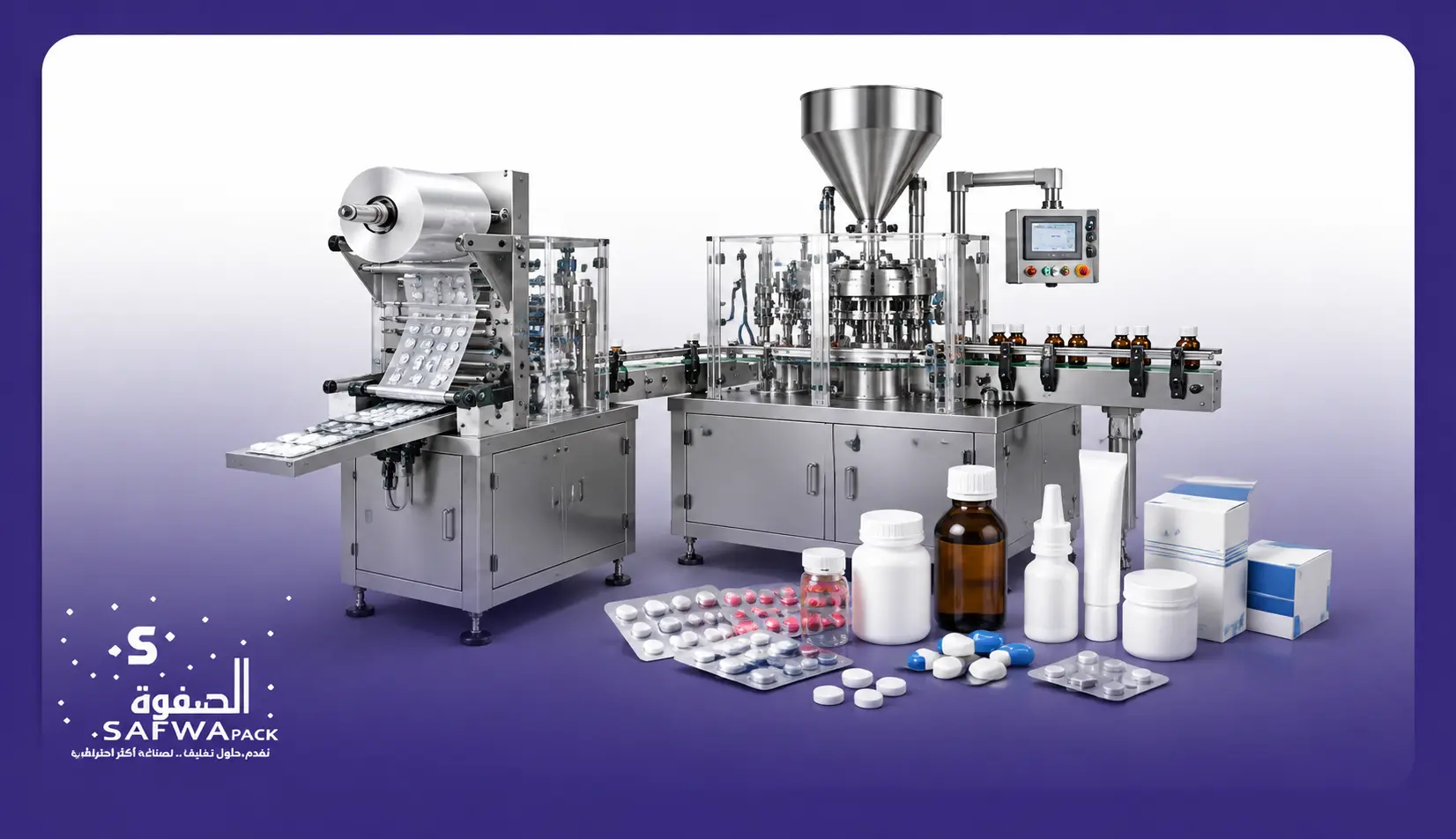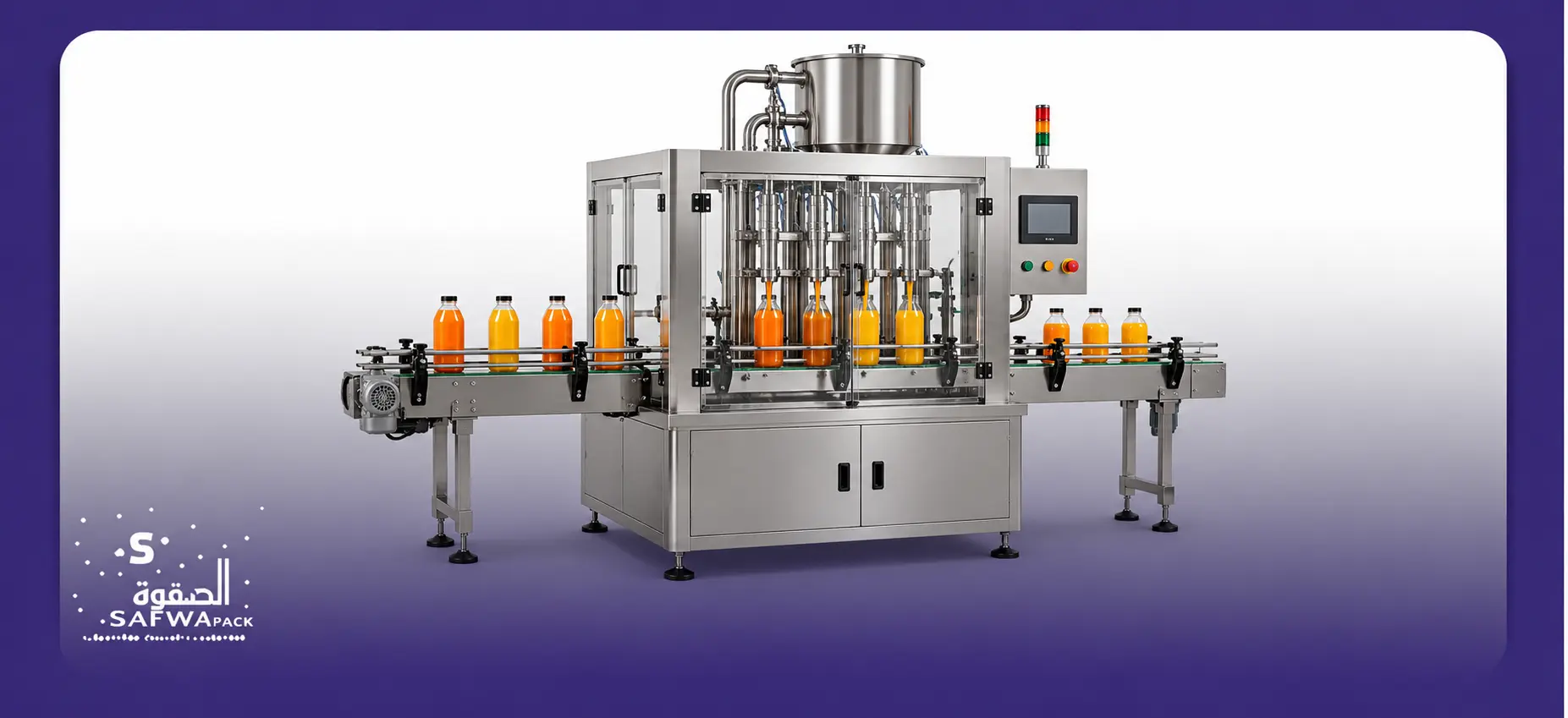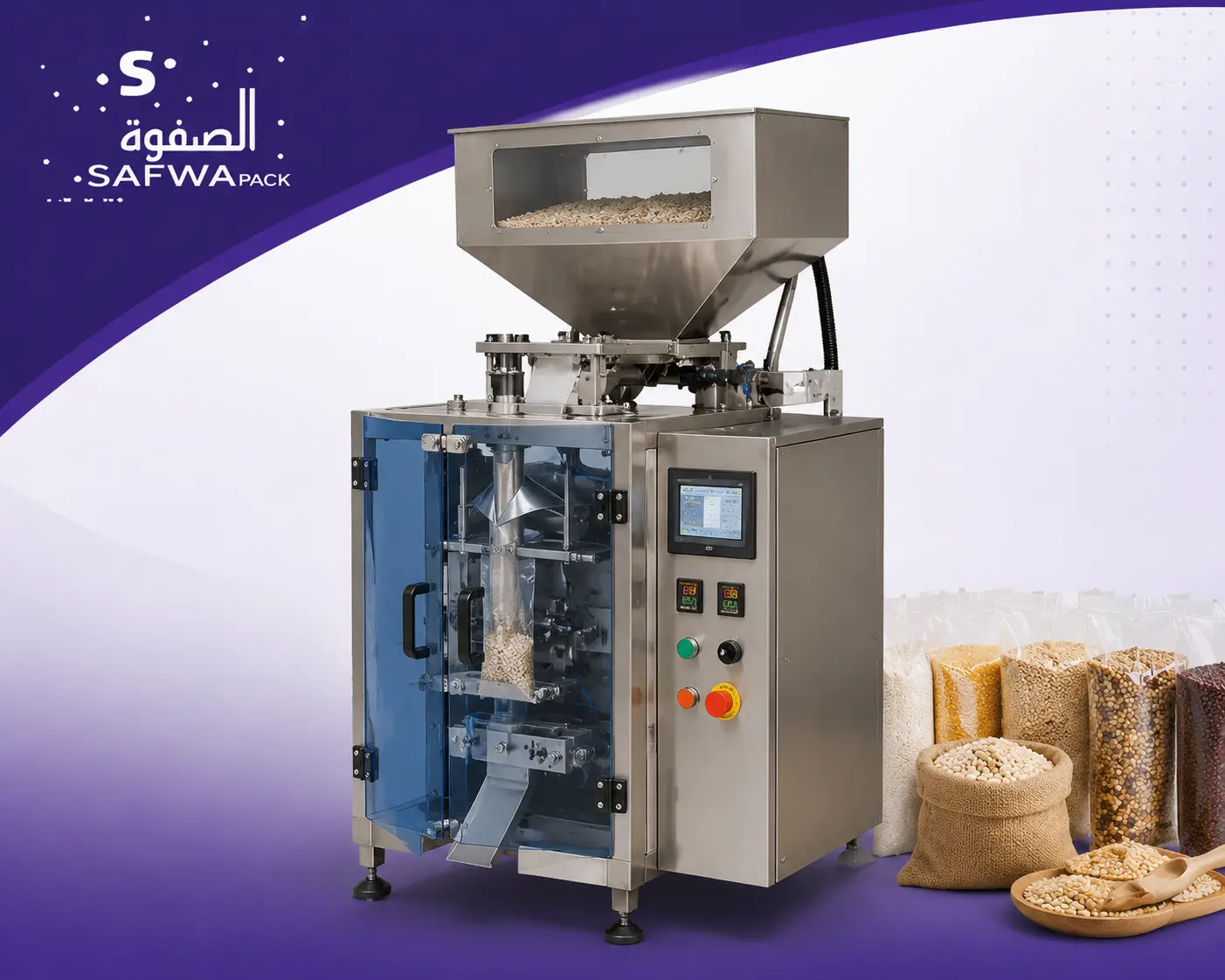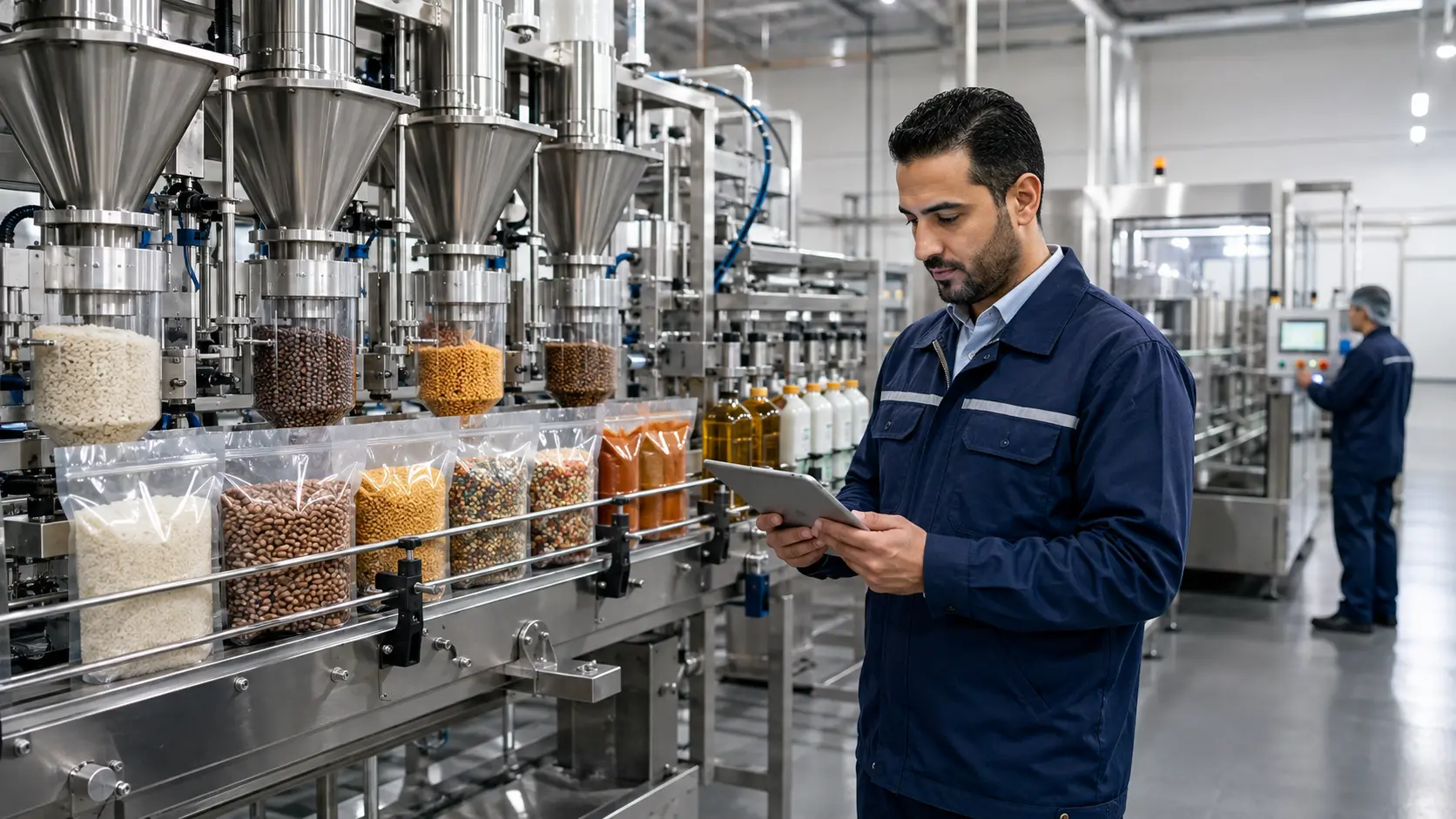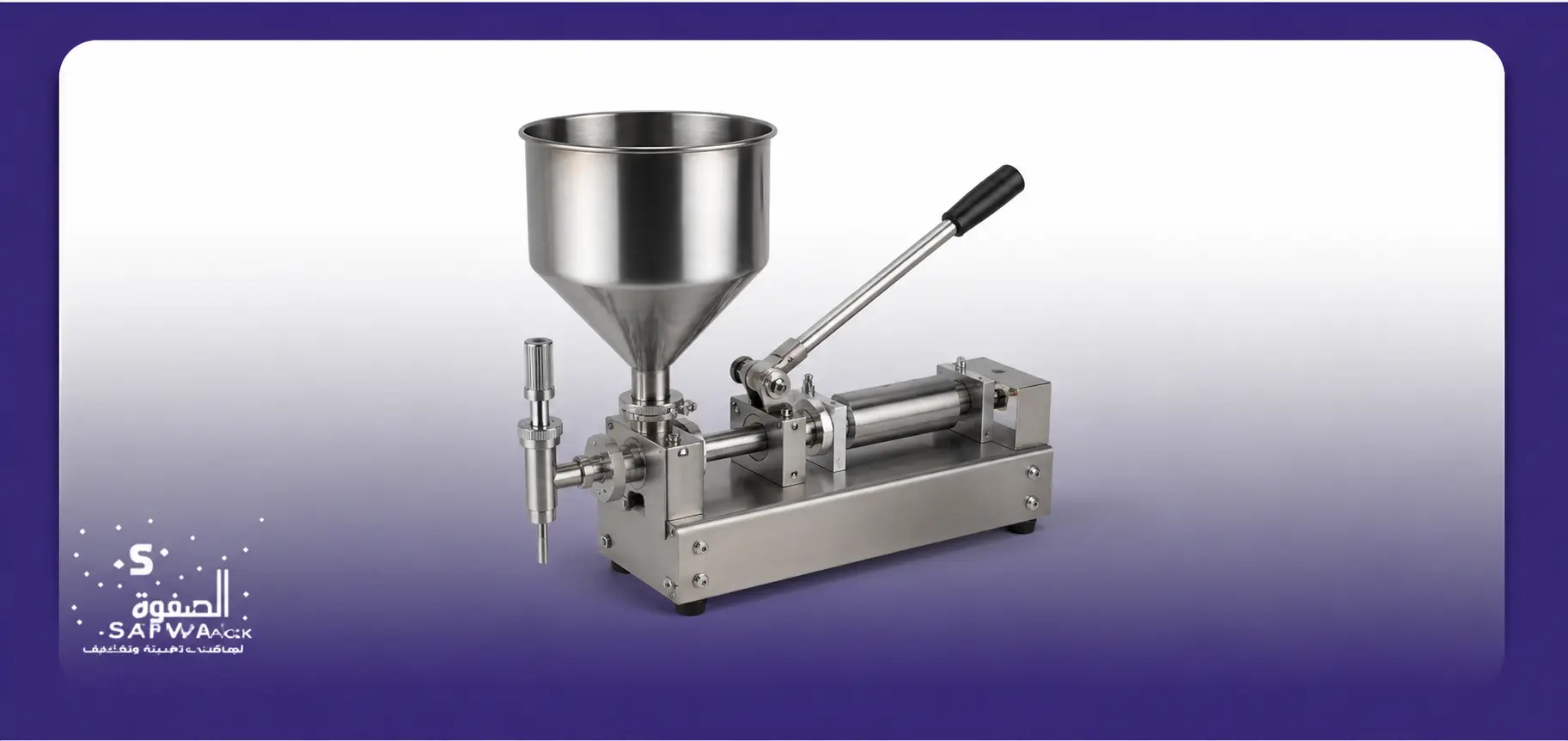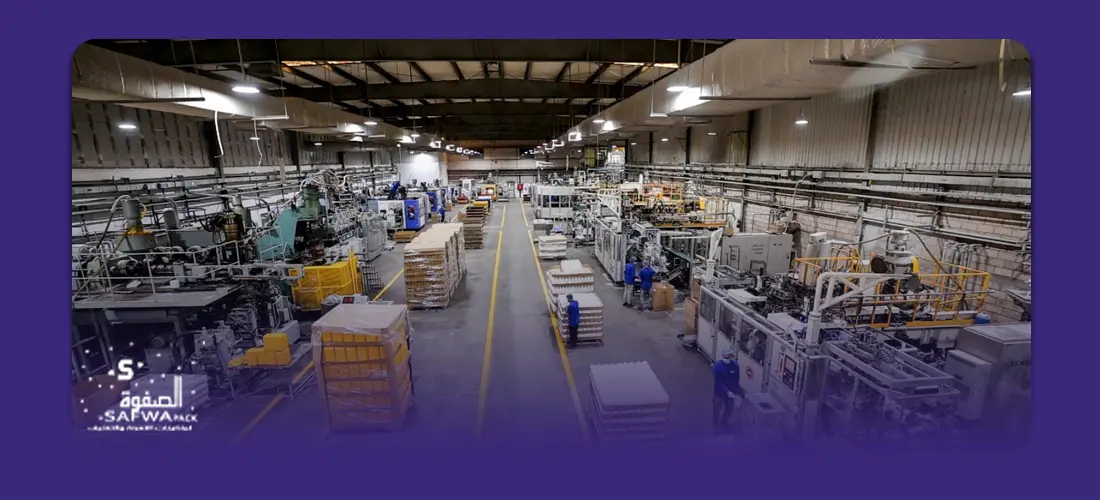
Choosing the right filling machine should not be based solely on its appearance or price. It should begin with the nature of the product, the type of packaging, and the required production capacity. Therefore, business owners need a specialized filling and packaging machinery manufacturer that can assess the entire production cycle and provide a solution that improves efficiency, reduces waste, and maintains consistent final product quality.
El Safwa Pack specializes in designing, manufacturing, and supplying filling and packaging machines for liquids, powders, granules, and food products, as well as complete production lines. The process begins with studying the product, packaging, and operating capacity before selecting, designing, and manufacturing the appropriate machine. It also includes installation, operation, training, and maintenance.
Whether you are establishing a new factory or upgrading an existing production line, El Safwa Filling and Packaging Machinery can help you select equipment that matches your actual requirements and supports future expansion, instead of purchasing a machine that is unsuitable for your product or production volume.
Why Choose a Specialized Filling and Packaging Machinery Manufacturer?
Products vary in density, viscosity, granule size, and sensitivity to moisture. Packaging also differs in shape, capacity, and sealing method. Therefore, no single machine is suitable for every product. Working with a specialized manufacturer gives you a solution based on real operating data instead of general specifications.
A detailed project assessment before manufacturing helps determine:
- The most suitable filling system for the product.
- The required production capacity per hour or shift.
- The appropriate automation level: manual, semi-automatic, or fully automatic.
- Suitable materials for components that come into contact with the product.
- The methods used for container feeding, capping, labeling, and date printing.
- The space and utilities required to operate the machine or production line.
- The possibility of adding new production stages as the business expands.
This integration helps reduce operating errors, improve filling accuracy, and organize product flow between the different stages of the production line.
Contact us via WhatsApp or call us to discuss your project requirements.
Filling and Packaging Solutions by Product Type
Selecting the right machine depends on how the product flows, the required weight or volume inside the package, and the targeted operating speed. El Safwa Pack provides solutions for a wide range of industrial applications.
Liquid Filling Machines
Liquid filling solutions vary according to the product’s viscosity and whether it produces foam or contains particles. Common applications include oils, juices, detergents, disinfectants, sauces, and certain liquid preparations.
After studying the product’s characteristics, the appropriate pumping or measuring system, number of filling heads, and dosage control method can be determined.
Liquid filling machines can be integrated with container feeding, cap placement, sealing, labeling, and data-printing stages to create a production line that meets the required output rate.
Powder Filling Machines
Powder products require a system that considers powder density, flowability, sensitivity to moisture, and the possibility of dust dispersion during operation. Examples include spices, flour, cocoa, cleaning powders, and various food and industrial products.
Choosing the appropriate measuring system helps minimize weight variations and product waste while keeping the working area clean. The machine can also be designed to handle bags or containers of different sizes according to the project’s specifications.
Granule Filling Machines
Granulated products include rice, sugar, salt, legumes, seeds, and coffee. Choosing between weighing, volumetric measuring, or counting systems depends on the product’s shape, size, and required weighing accuracy.
If your business specializes in granulated products, you can learn more about the relevant specifications and costs in our article about the price of a salt filling and packaging machine.
Vacuum and Thermoforming Packaging Machines
Vacuum and thermoforming packaging solutions are used to protect products, improve package presentation, and reduce exposure to external factors. The right system is selected based on the product type, packaging material, package size, storage conditions, and operating speed.
Available solutions include the plastic thermoforming vacuum machine, which can be selected after reviewing the product and packaging requirements.
The Best Filling and Packaging Machines by Product Type
| Product Type | Suitable Machine | Product Examples |
|---|---|---|
| Liquids | Liquid filling machine | Oils, juices, detergents, and disinfectants |
| Powders | Powder filling machine | Spices, flour, cocoa, and cleaning powders |
| Granules | Granule filling machine | Rice, sugar, salt, legumes, and coffee |
| Products requiring airtight packaging | Vacuum or thermoforming packaging machine | Various food and industrial products |
| Products of multiple sizes | Customized production line | Packages in different sizes upon request |
Do You Need a Standalone Machine or a Complete Production Line?
A standalone machine may be suitable for businesses with limited production capacity or those starting operations gradually. A complete production line is more suitable for factories that require higher output and an organized flow between the filling, sealing, labeling, printing, and collection stages.
- Choose a standalone machine if your production volume is low or medium and you want to start with a smaller investment.
- Choose an integrated production line if your output is high and you need to minimize manual handling between production stages.
- Review the required number of workers, waste rates, and downtime instead of comparing options based only on the purchase price.
- Consider your future expansion plans to avoid replacing the entire system when demand increases.
You can also explore El Safwa Pack products to learn about the available solutions, then contact the team to determine the right specifications.
How Does El Safwa Pack Design the Right Filling Solution for Your Project?
- Product assessment: Determining the product type, density or viscosity, flow behavior, and sensitivity.
- Packaging review: Identifying the package capacity, dimensions, material, and sealing method.
- Production capacity calculation: Determining the required number of packages per hour or shift.
- Automation level selection: Choosing the system that matches the budget and operating capacity.
- Production line configuration: Determining the filling, sealing, labeling, printing, conveying, and additional stages.
- Manufacturing and preparation: Producing the solution according to the approved technical specifications.
- Installation and operation: Preparing the machine or line and testing the complete operating cycle.
- Training and support: Training the client’s team and providing maintenance and follow-up services.
You can learn more about the company’s experience and operations through the About Us page.
What Information Is Required Before Purchasing a Filling and Packaging Machine?
Accurate information helps the manufacturer provide a suitable technical recommendation and avoid costly modifications after production. Therefore, it is advisable to prepare the following details:
- Product type and characteristics.
- Required filling weight or volume.
- Package shape, dimensions, and material.
- Number of package sizes to be processed.
- Current and targeted production rates.
- Available factory space and utilities.
- Production stages to be connected to the machine.
- Future expansion plans.
It may also be helpful to send samples of the product and packaging for testing, especially when dealing with high-viscosity liquids, powders that are difficult to flow, or unconventional containers.
What Factors Determine the Price of a Filling and Packaging Machine?
The cost of a machine varies according to the product type, package capacity, number of filling heads, production rate, automation level, manufacturing materials, control system, and additional production stages. Therefore, an accurate price cannot be determined before reviewing the project specifications.
A lower-cost solution may be suitable for limited production, but it may not be the best choice if it causes excessive waste, requires additional labor, or cannot support future expansion. Compare quotations based on technical specifications, operating costs, and after-sales service—not only the initial purchase price.
Send your product details via WhatsApp to receive a technical recommendation, or use the Contact Us page.
The Importance of Installation, Training, and After-Sales Service
Machine quality is a fundamental part of project success, but production continuity also depends on proper installation, operator training, and regular maintenance.
Training helps the team adjust the machine, follow cleaning procedures, handle minor issues, and identify performance changes at an early stage.
The availability of technical support and spare parts also helps reduce downtime when a problem occurs. El Safwa Pack provides installation, operation, training, technical support, and maintenance services according to the project’s requirements and the scope of the technical agreement.
Why Choose El Safwa Pack for Your Project?
El Safwa Pack provides customized solutions instead of assuming that one machine can handle every product. The process begins with understanding the project’s requirements, followed by selecting or designing the appropriate equipment and completing installation, training, and technical support.
The available solutions include liquid, powder, and granule filling machines, as well as packaging machines and complete production lines. The goal is to deliver a practical system that balances filling accuracy, production capacity, budget, and future scalability.
If you are looking for a filling and packaging machinery manufacturer in Egypt to equip a new project or improve the efficiency of an existing line, contact El Safwa Pack and share your product, packaging, and required production capacity details.
Request a technical consultation via WhatsApp or call us now.
Frequently Asked Questions About Filling and Packaging Machines
What Is the Difference Between a Packaging Factory and a Filling and Packaging Machinery Manufacturer?
A filling and packaging factory may provide contract packaging services or manufacture packaging materials and containers. A filling and packaging machinery manufacturer, however, designs or produces the equipment and production lines used by companies within their factories.
El Safwa Pack specializes in filling and packaging machines, integrated solutions, and complete production lines.
How Do I Choose the Right Filling Machine for My Product?
The selection depends on the product’s nature, viscosity or density, package size, dosage accuracy, production rate, and required automation level. Therefore, the product and packaging details must be provided before selecting the machine model and specifications.
Can a Filling Line Be Designed According to the Available Factory Space?
The operating area, product flow path, and utility locations can be assessed to determine the most suitable arrangement for the production line components. The final design is then approved after reviewing the measurements and technical requirements.
Is There One Machine Suitable for Liquids, Powders, and Granules?
Each category usually requires a different filling system because products vary in their flow and measuring methods. Some solutions may be configured to handle multiple sizes or similar products after a technical assessment, but it should not be assumed that one machine can process every type of material.
What Information Is Required to Receive a Quotation?
Send the product type, filling capacity, package shape and dimensions, required production rate, automation level, and any additional stages such as sealing, labeling, and printing. A sample may also be required for testing in certain cases.
Does El Safwa Pack Provide Installation, Training, and Maintenance?
El Safwa Pack provides services related to the preparation and operation of filling and packaging solutions. These services include installation, training, technical support, and maintenance according to the project specifications and the agreed scope of work.