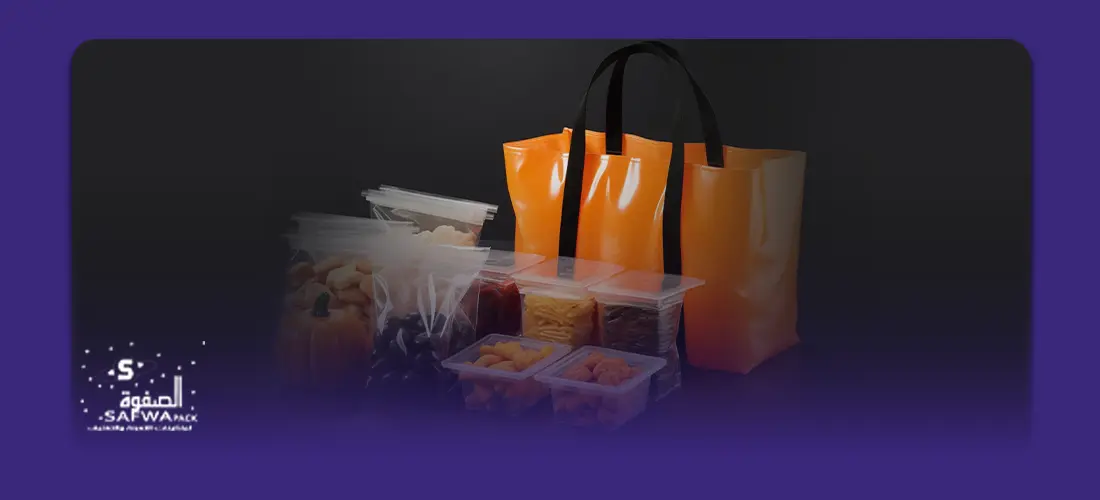
In modern industries, filling and packaging bags play an essential role in preserving product quality, protecting products from external factors, improving their marketing appearance, and attracting customers’ attention.
With products ranging from food and liquids to powders, choosing the right type of filling and packaging bag has become a strategic decision that directly affects operating efficiency and final product quality.
Using integrated filling and packaging solutions that combine the right bag with the right machine helps achieve better results, especially as the industrial packaging sector continues to develop.
If you are looking for filling and packaging bags compatible with modern packaging machinery, El Safwa for Filling and Packaging Machines provides integrated systems that help you choose suitable materials and achieve high production quality.
What Are Filling and Packaging Bags, and Why Do They Differ by Product?
Filling and packaging bags are the primary medium used to preserve products and present them to consumers. Bag types vary according to product characteristics and requirements.
The main reasons why packaging bags differ from one product to another include:
-
Bags vary according to whether the product is food, industrial, or chemical.
-
Packaging materials are selected to protect products from moisture and air.
-
Bags are designed according to the product’s shape and method of use.
-
Product characteristics affect the required bag thickness and sealing system.
Choosing a suitable bag directly helps improve packaging quality and extend product shelf life.
Types of Filling and Packaging Bags by Application
Filling and packaging bags vary significantly according to product type. Each bag is designed for a specific application.
Food Packaging Bags
Food products require specific safety and quality standards.
-
Food-grade bags are made from safe materials.
-
The materials should resist moisture and air.
-
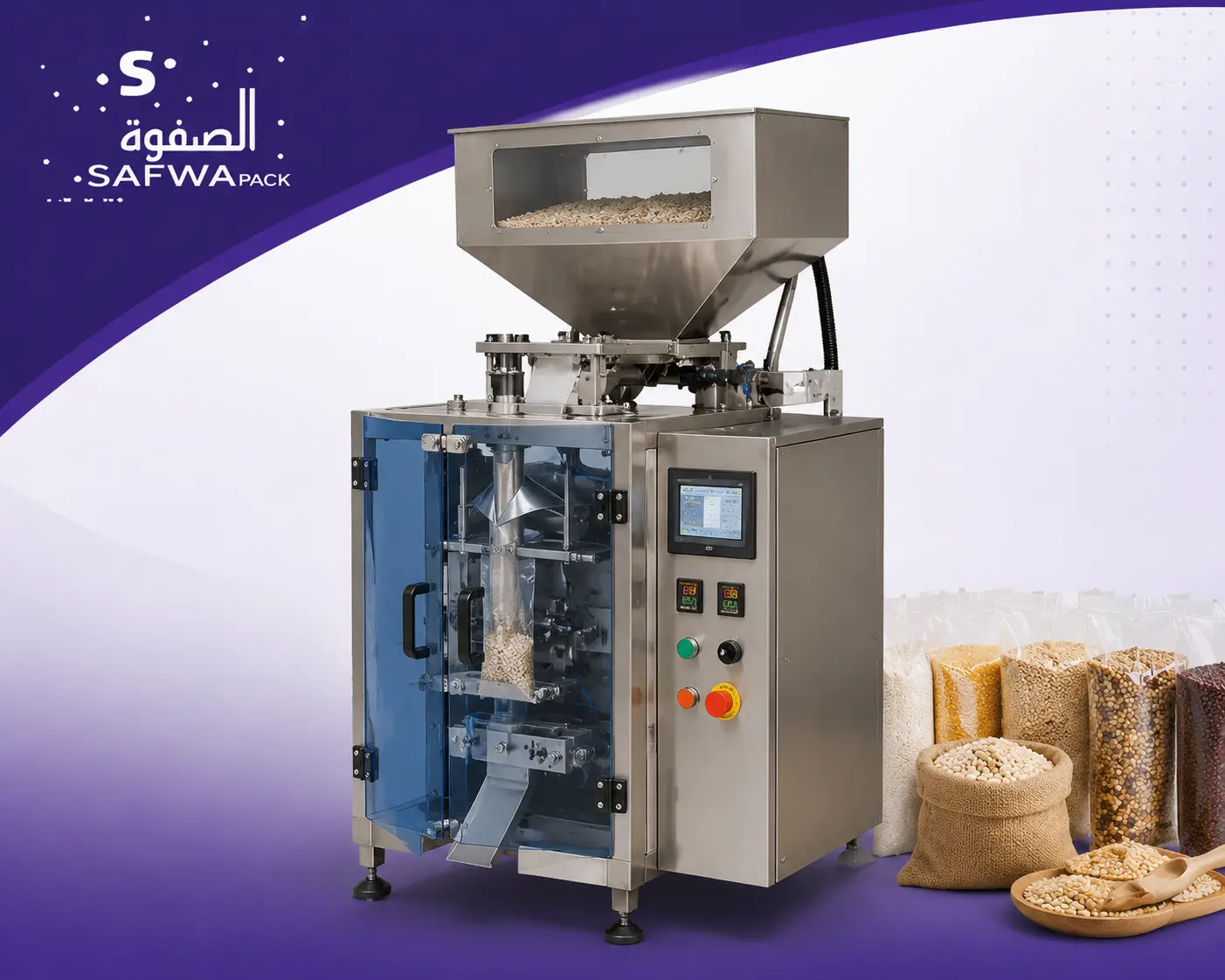
They are used to package products such as grains, legumes, and dry meals.
-
The bag should be compatible with food-handling and storage requirements.
Liquid Filling Bags
Bags used for liquids have different requirements because of the nature of the product.
-
Liquid filling bags need strong seals to prevent leakage.
-
They use flexible materials capable of withstanding pressure.
-
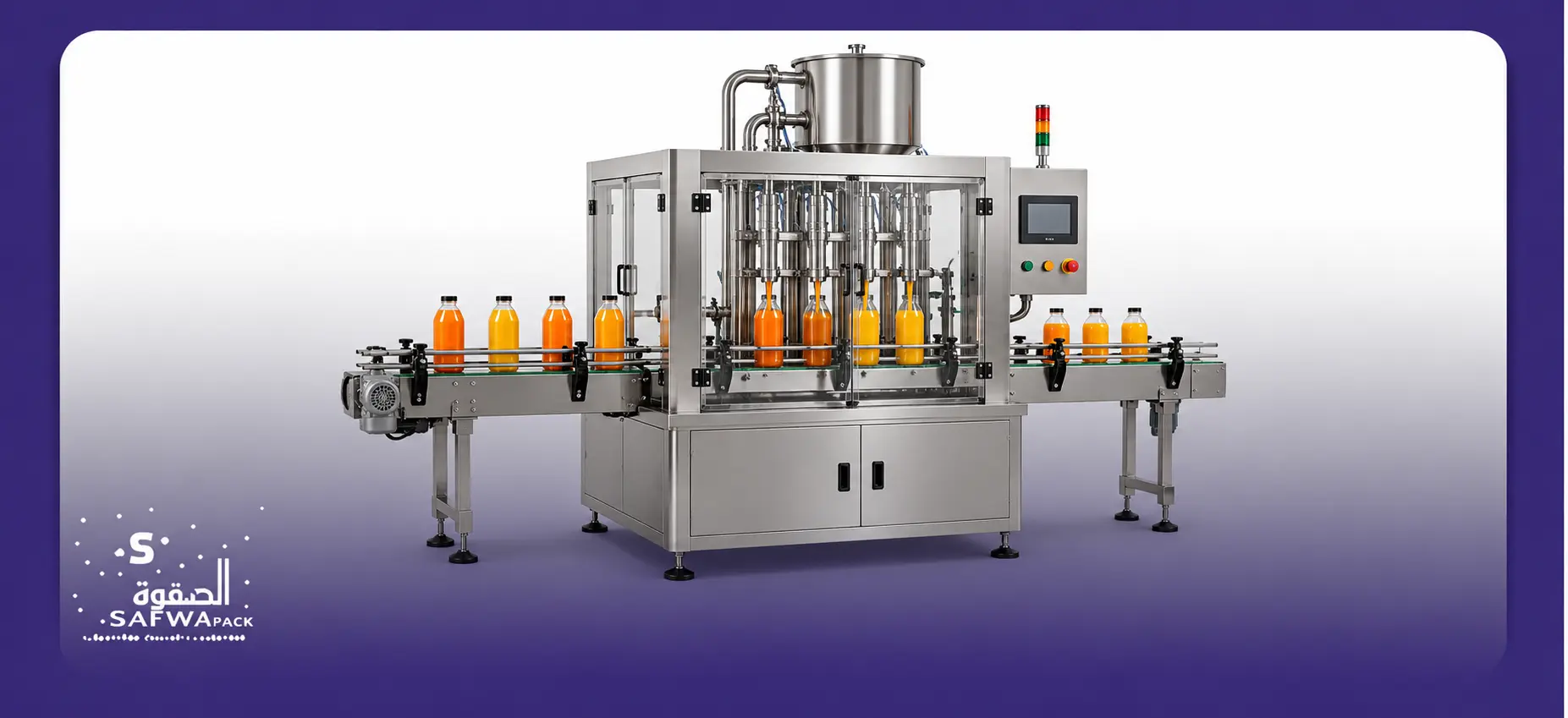
They are suitable for juice, detergents, and other liquid products.
-
Their design should match the liquid filling and sealing system.
Grain and Powder Filling Bags
These products require filling accuracy and effective protection against product loss.
-
Powder filling bags are designed to prevent leakage.
-
They use strong materials that can withstand product weight.
-
They are suitable for grains, legumes, powders, and dry products.
-
The sealing system should prevent fine particles from escaping.
These categories show how filling and packaging bags vary according to their intended use and confirm the importance of selecting the right type for every product.
How Does Product Type Affect the Choice of Bag Material?
Selecting the right material is one of the most important factors affecting the efficiency of filling and packaging bags. The material must be compatible with the product to ensure protection and quality.
The most important factors include:
-
Food products require safe, food-grade packaging materials.
-
Liquids may require multi-layer materials to prevent leakage.
-
Dry products need strong materials capable of carrying their weight.
-
Product characteristics determine whether transparent or printed bags are more suitable.
-
Products sensitive to moisture or air may require materials with stronger barrier properties.
How Do Filling and Packaging Machines Improve Bag Quality?
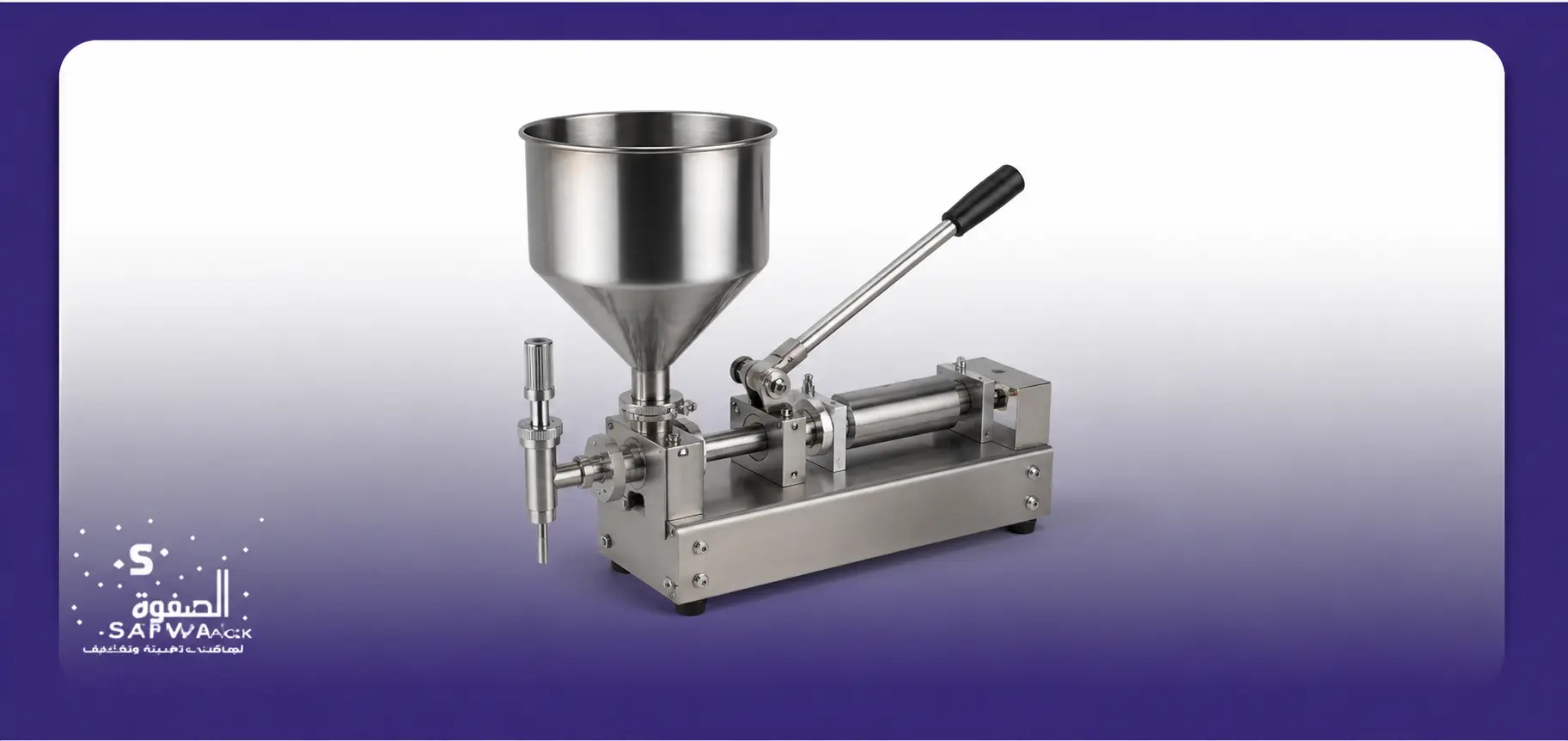
Machines play a central role in determining the performance of filling and packaging bags. Successful packaging does not depend on the bag alone; it also depends on its compatibility with the filling system.
Choosing a suitable filling and packaging solution helps achieve secure sealing and accurate filling without damage or leakage.
Modern factories use integrated systems that combine bag forming, filling, and sealing in one process. This improves operating efficiency and overall product packaging quality.
The main ways machines improve the quality of filling and packaging bags include:
-
Producing secure seals that prevent leakage from liquid filling bags.
-
Distributing products evenly inside powder filling bags with minimal waste.
-
Producing bags with dimensions suited to the product.
-
Controlling sealing temperature according to the packaging material.
-
Maintaining consistent package shape across production batches.
-
Reducing manual handling and packaging errors.
This integration between the bag and machine shows why the entire system should be evaluated rather than focusing on one component alone.
The Relationship Between the Bag, Sealing System, and Filling Process
Sealing is one of the most important stages affecting the quality of filling and packaging bags. Bag type and material directly influence sealing strength and performance.
Different packaging materials require different temperature and pressure settings inside the machine.
The relationship between the bag and sealing system can be explained as follows:
-
Sealing temperature varies according to the bag material.
-
Multi-layer bags require specific settings to ensure a secure seal.
-
Bag thickness affects sealing speed and quality.
-
The bag must be compatible with the machine to ensure packaging quality.
-
The sealing area should remain free from product residue that could weaken the seal.
How Packaging Materials Affect Quality
Packaging materials play an essential role in determining the quality of filling and packaging bags. The material used varies according to the product and required level of protection.
-
High-quality materials protect the product from external factors.
-
They help extend the product’s shelf life.
-
They affect the appearance of printed packaging bags.
-
Transparent bags allow consumers to see the product clearly.
-
Suitable materials protect products from moisture, air, light, and contamination.
-
The correct material can improve storage and transport performance.
Choosing the right material is therefore an essential part of the integrated packaging solutions used by modern factories.
Filling and Packaging Bag Prices
The price of filling and packaging bags is an important factor affecting the final production cost.
The price does not depend only on the bag itself. It is influenced by several factors, including the material type, bag thickness, design, and manufacturing method.
-
Prices vary according to the packaging materials used.
-
Bag thickness and manufacturing quality affect the cost of food packaging bags.
-
Printed bags cost more because of printing and design processes.
-
Liquid filling bags may cost differently from powder filling bags.
-
Multi-layer bags are usually more expensive than simple single-layer bags.
-
Order quantity and customization requirements also affect the final price.
How Do You Choose Bags That Combine Protection with Good Appearance?
Choosing suitable filling and packaging bags is not only about protection. The bag should also combine quality with an attractive marketing appearance.
Consider the following factors:
-
Select a design that reflects the product’s brand identity.
-
Use strong materials that provide suitable protection.
-
Ensure that the bag is compatible with the filling machine.
-
Pay attention to the final package appearance to improve the user experience.
-
Choose dimensions that suit the product quantity and display method.
-
Make sure the printing remains clear throughout storage and distribution.
The Role of Integrated Solutions in Improving Packaging Efficiency
Modern factories rely on integrated systems that connect the bag, machine, and production line. This approach improves operating efficiency and reduces errors.
Integrated solutions:
-
Ensure compatibility between packaging bags and machinery.
-
Reduce breakdowns caused by incompatible components.
-
Improve production-line efficiency.
-
Reduce product waste.
-
Improve final product quality.
-
Make production performance more consistent.
-
Simplify future expansion and equipment upgrades.
How Do Machines Affect the Choice of Bag Type?
Packaging success depends heavily on compatibility between the bag type and the production-line operating system.
-
Bag thickness must be compatible with the machine’s sealing system.
-
Production speed may depend on the bag type.
-
Bag materials affect operating settings.
-
Liquids and powders have different filling requirements.
-
Premade bags require a different handling system from bags formed from film rolls.
-
Bag dimensions should match the machine’s feeding and transport systems.
The Journey of a Filling and Packaging Bag Through the Production Line
A packaging bag usually passes through the following stages:
-
The packaging material enters the line as film or a premade bag.
-
The bag is formed or opened and prepared.
-
The product is accurately measured and filled.
-
The bag is sealed using heat or another suitable method.
-
Production and expiry information may be printed.
-
The final package is inspected.
-
The product is transferred for storage or distribution.
How Can El Safwa Help You Choose an Integrated System?
El Safwa for Filling and Packaging Machines provides integrated solutions that combine suitable materials with the right machinery while helping factories build efficient production lines.
Its services include:
-
Analyzing product characteristics.
-
Determining suitable packaging requirements.
-
Selecting appropriate machines.
-
Designing integrated production lines.
-
Matching bag specifications with machine settings.
-
Providing continuous technical support.
Ultimately, choosing the right filling and packaging bag system depends on the integration of materials, machinery, and product characteristics.
As the market continues to develop, relying on integrated industrial solutions has become essential for maintaining quality and efficiency.
El Safwa for Filling and Packaging Machines provides more than machinery. It offers integrated solutions that help you select filling and packaging bags compatible with your product and production line, along with modern packaging technologies that maintain consistent quality and reduce waste.
Contact El Safwa today and start upgrading your packaging system with a solution suited to your industrial requirements.