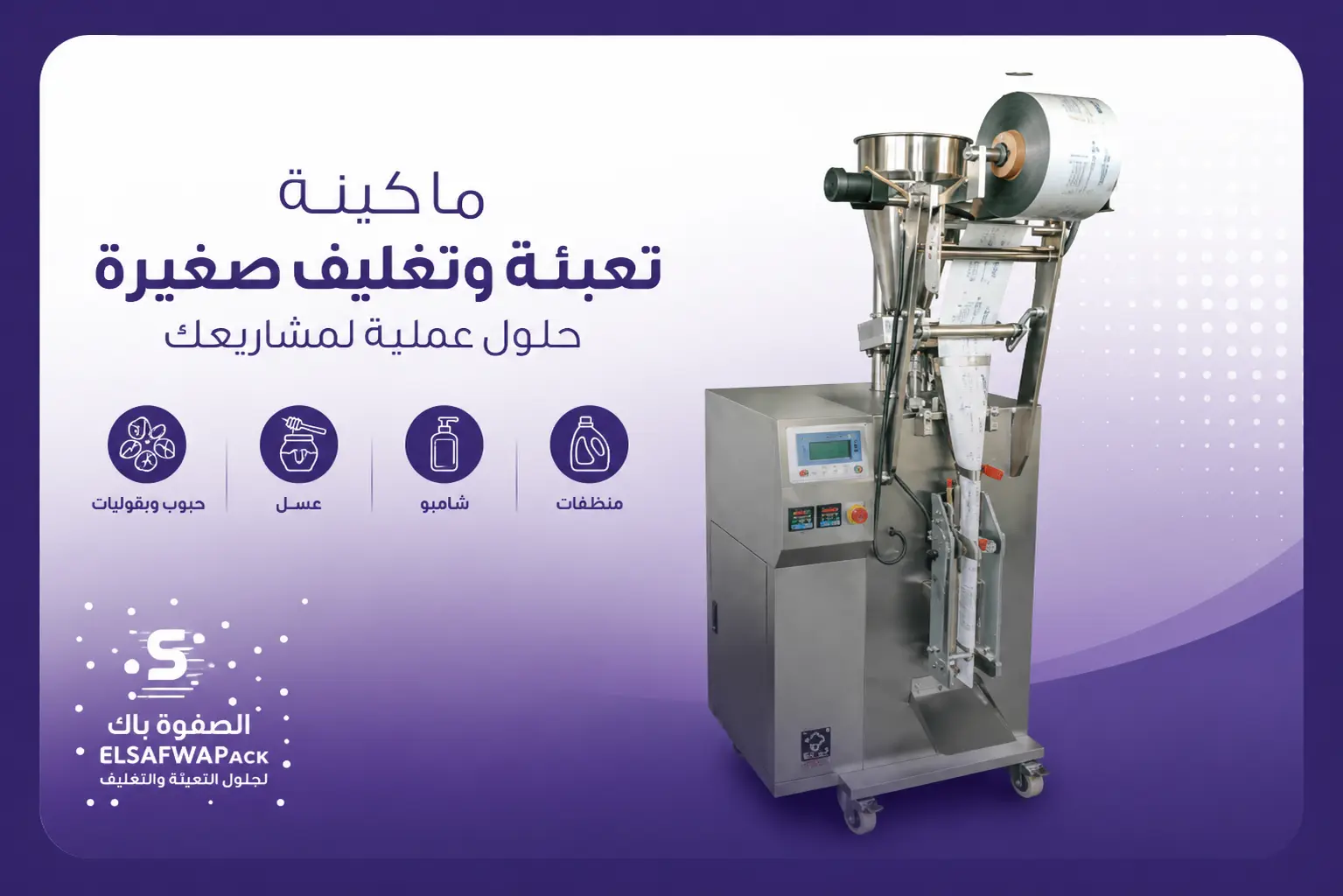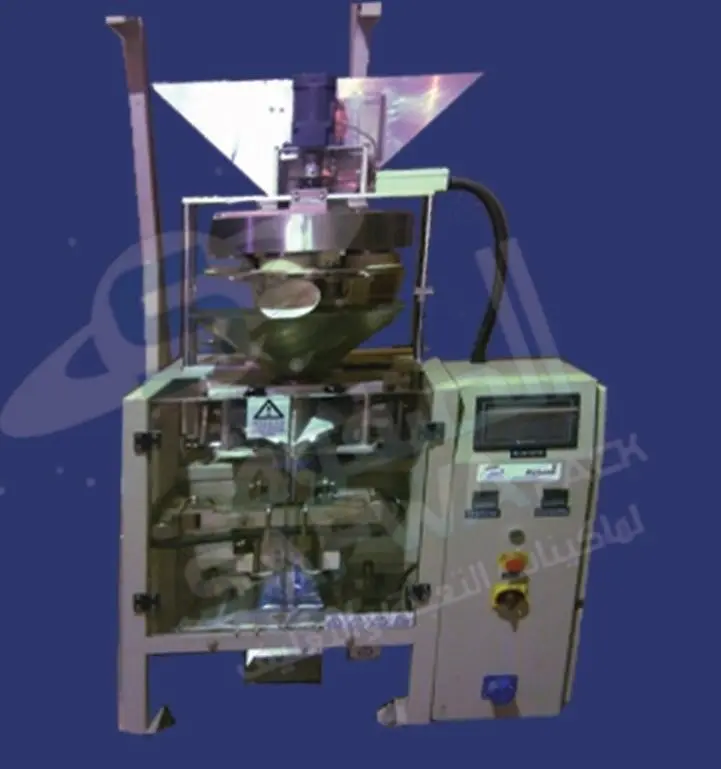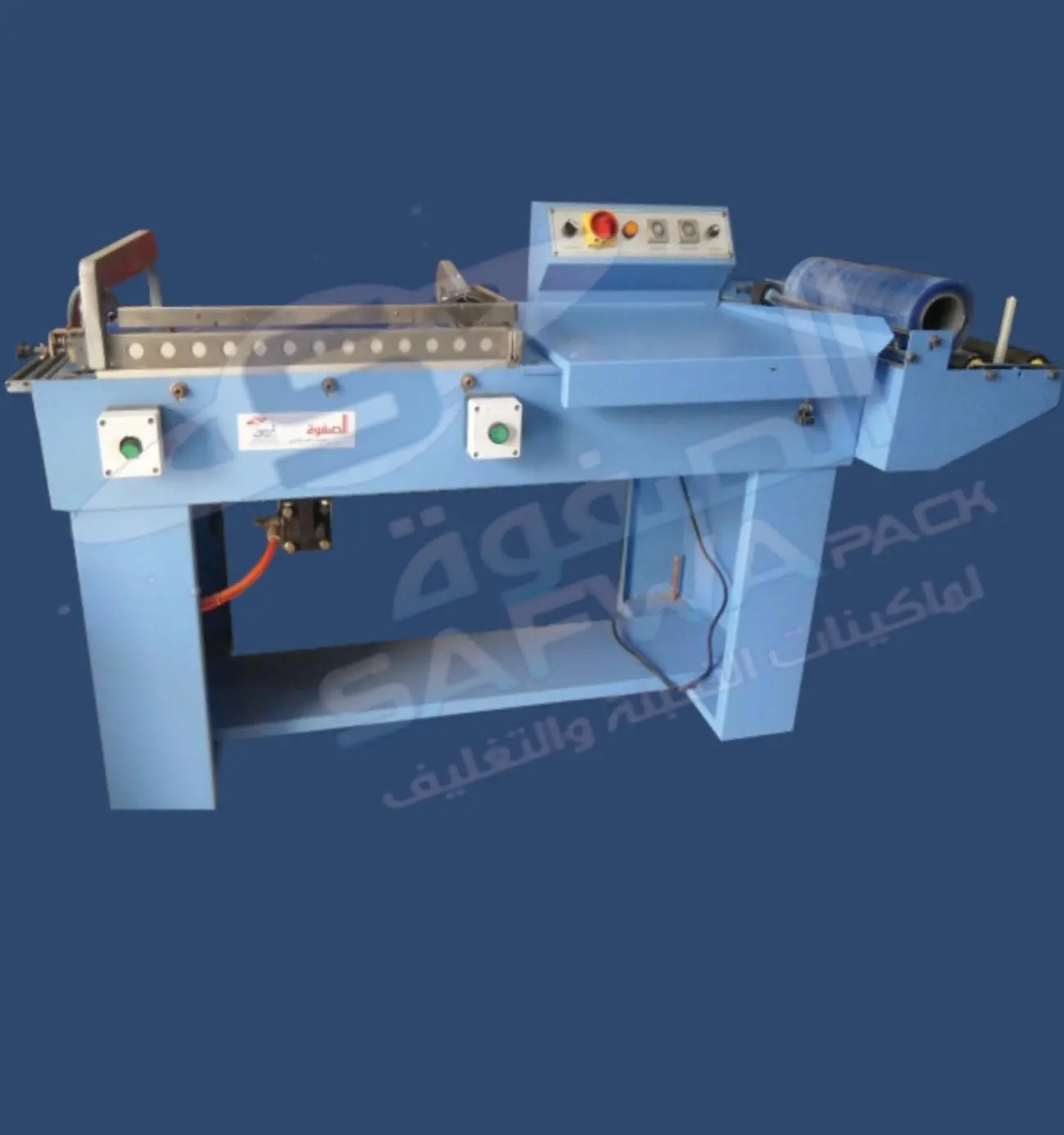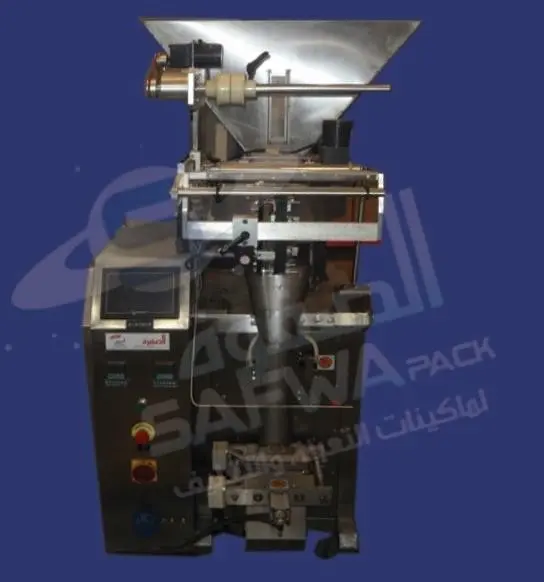
If you're running a factory or project packing fava beans, lentils, chickpeas, beans, or rice, choosing the right legume packing machine determines weighing accuracy, production speed, waste rate, and the final package shape. The choice doesn't depend on price alone — it depends on the product type, package weight, daily production volume, and whether you need semi-automatic operation or a fully integrated automatic line. Al Safwa Packaging Machines Company offers multiple granular-product solutions based on weight or volume filling, allowing you to choose the system that suits your product's nature and production plan.
Looking for a machine that matches your legume type, package weight, and production capacity? Contact Al Safwa, specify the product, required weight, and target number of packages, to get a recommendation that fits your production line's needs.
What Is a Legume Packing Machine?
This machine is equipment designed to measure a specific quantity of granular products such as lentils, fava beans, chickpeas, beans, and rice, then discharge it into a bag or package according to the packing system used. It may operate on a weight-based system that measures the actual product weight, or a volumetric system based on dose volume. The choice between the two depends on the nature of the grains, the accuracy required, and operating speed.
Looking for a packing machine that matches your legume type and production volume? Contact Al Safwa Packaging Machines Company for a consultation and to choose the right system in terms of weight, speed, and packing accuracy that fits your project's needs.
Best Legume Packing Machine from Al Safwa's Products
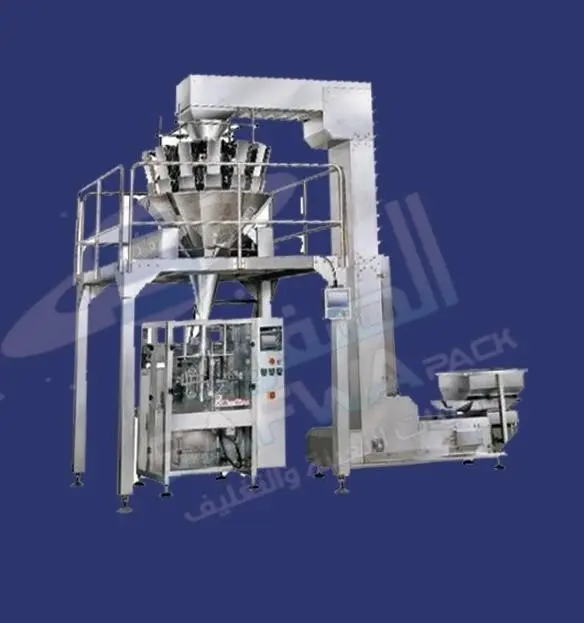
One of the closest solutions Al Safwa offers for this use is the 10-head weight filling line, 10 grams to 1000 grams — an automatic system equipped with 10 weighing heads. The product page states the filling range is from 10 to 1000 grams, with an approximate output capacity of 20–60 bags per minute depending on the product and size, approximate accuracy of ±1%, plus a PLC control system, touchscreen, and stainless steel frame.
| Specification | Product Data |
|---|---|
| Number of weighing heads | 10 heads |
| Filling range | 10–1000 grams |
| Approximate operating speed | 20–60 bags/minute |
| Approximate filling accuracy | ±1% |
| Control system | PLC + touchscreen |
| Electrical voltage | 220 / 380 volts |
| Material | Stainless steel |
Al Safwa has already linked this line to the needs of factories packing sugar, rice, and legumes in packages up to one kilogram, making it a solution worth evaluating when looking for higher-volume automatic production.
Types of Legume Packing Machines
Semi-Automatic Legume Packing Machine
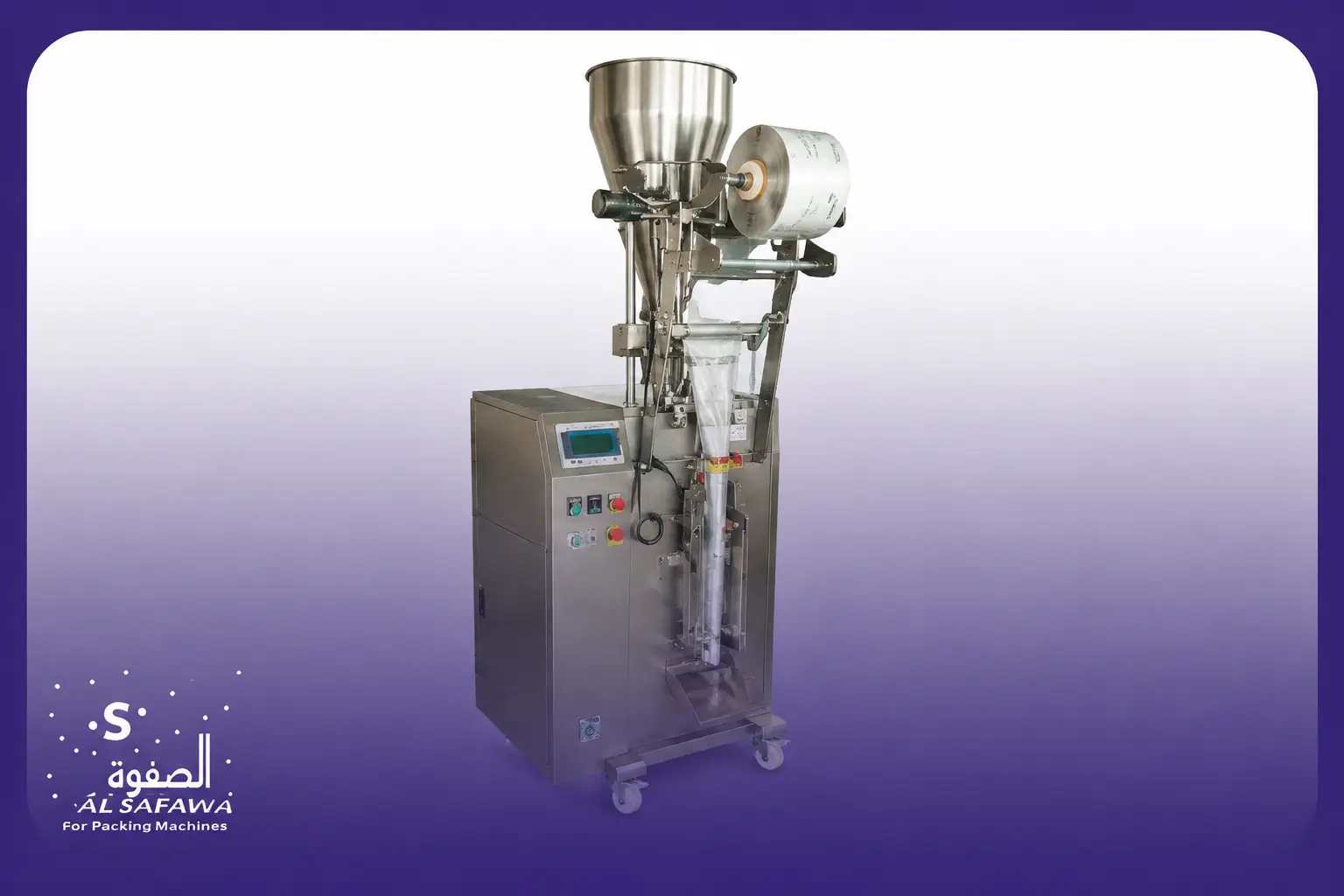
Semi-automatic operation suits small and medium projects or production lines that don't need high speed, where the system handles weighing the dose while the worker typically places the bag or package and completes some of the operating steps. Among its products, Al Safwa offers a semi-automatic weight-based granular packing machine, as well as a weight-based machine with a wider range from 50 to 2000 grams.
Automatic Legume Packing Machine
An automatic system is more suitable when the priority is continuous production, reducing manual intervention, and linking weighing and packing to other stages within the production line. Al Safwa's product range includes granular solutions such as the automatic volumetric system up to 1000 ml, alongside the multi-head weighing system.
When comparing the price of an automatic rice packing machine or an automatic sugar packing machine to the price of a semi-automatic machine, don't look at purchase cost alone — compare production capacity, required labor, and packing accuracy and waste. Meanwhile, searches for the price of a manual sugar packing machine are usually tied to a different production level and a lower degree of automation.
How Does a Legume Packing Machine Work?
The operating process in a legume packing machine goes through several basic stages, starting with feeding the product into the hopper, then setting the required weight or dose, measuring the quantity, and dropping it into the package. In automatic lines, the sealing, printing, and transport stages can also be completed according to the production line's configuration.
The operation generally proceeds as follows:
- Feeding the legumes into the feed hopper.
- Determining the required package weight or volume.
- Measuring the dose according to the system used.
- Discharging the product into the bag or package.
- Closing or sealing the package.
- Adding the production and expiry date, if a printing unit is present.
- Transporting the packages to the collection or cartoning stage.
What Products Can Be Packed on the Same Line?
A legume packing machine can be set up to handle more than one granular product depending on the weighing and feeding system, such as lentils, chickpeas, fava beans, beans, rice, and some types of grains and seeds. When running several products on the same line, attention must be paid to ease of cleaning and resetting the packing settings when switching from one product to another.
If the factory's activity also includes sugar, you can refer to the sugar packing machine guide for more on sugar packing systems and the requirements for choosing the right machine.
Prices of Legume Packing and Packaging Machines
There is no single figure that can be considered the standard price for legume packing and packaging machines across all production lines, because the price of a legume packing machine changes based on the level of automation, number of weighing heads, filling range, operating speed, control system, manufacturing materials, and whether you need a standalone machine or a complete line.
When searching for packing and packaging machine prices, or the price of a packing and packaging machine for sugar, rice, and legumes at 1 kg, you should determine a set of details before requesting a price, most importantly:
- Product type and grain size.
- Minimum and maximum required weight.
- Number of bags required per minute.
- Bag shape and size.
- Weight-based or volume-based filling system.
- Semi-automatic or automatic operation.
- Need for a sealing machine or date printer.
- Presence of a conveyor or feeding system.
- Electrical voltage and production line space.
To understand the factors affecting prices more broadly, you can review the packing and packaging machine price guide before determining the required equipment.
Is a Used Sugar Packing Machine for Sale More Cost-Effective?
Searching for a used sugar packing machine for sale may seem like a suitable choice to reduce startup costs, but you must inspect the condition of the weighing/dosing system, control panel, motors, product-contact parts, and the machine's accuracy after recalibration.
Therefore, you shouldn't compare the used price to the new price alone, because a lower purchase price may be offset by higher maintenance costs, waste, or production downtime if the machine is in poor technical condition.
The Difference Between Weight-Based and Volume-Based Legume Filling
Choosing between the weight-based and volumetric systems is one of the most important decisions before buying a legume packing machine. The weight-based system actually measures the product's weight before dropping it into the package, giving greater flexibility when running products that differ in size and density, while the volumetric system relies on a pre-set volumetric dose. Al Safwa has already covered the difference between the two systems in its content on packing sugar, rice, and legumes.
| Comparison Point | Weight-Based Filling | Volumetric Filling |
|---|---|---|
| Measurement method | Actual weight | Dose volume |
| Flexibility between products | Higher | Better with uniform materials |
| Changing product | Flexible depending on machine setup | Needs volumetric dose adjustment |
| Use | Multiple legumes and grains | Products with similar characteristics |
You can also explore other types and solutions through the packing and packaging machines guide, and compare the suitable system based on the nature of the product.
How to Choose the Right Legume Packing Machine for Your Project
Before buying the machine, don't start by asking about price alone — determine your actual operating needs, because the equipment suitable for a project producing hundreds of bags daily may be completely different from a factory line targeting thousands of packages per shift.
Focus on the following when choosing:
- Required weight range.
- Product grain size and shape.
- Target production rate.
- Bag type and size.
- Required filling accuracy.
- Suitable operating system.
- Ease of disassembly and cleaning.
- Availability of maintenance and spare parts.
- Ability to add a conveyor, sealer, or date printer.
- Ability to expand the production line in the future.
If your business also includes spices and ground products, it's best to check the spice packing and packaging machine, because fine powders and spices need a different dosing system than granular products.
Is a Light Liquid Filling Machine Suitable for Legumes?
A light liquid filling machine is not considered a substitute for a granular machine, because liquid equipment relies on filling and feeding systems suited to the properties of liquid products, while Al Safwa offers granular and liquid equipment as separate categories and filling systems. If the factory produces both dry and liquid products, a suitable system should be chosen for each type.
Why Choose Al Safwa for Legume Packing Equipment?
Al Safwa Packaging Machines Company offers a diverse range of granular filling solutions, including semi-automatic weight-based systems, automatic volumetric systems, and multi-head weighing solutions. This diversity helps in choosing the packing machine based on product, weight, and production capacity, rather than relying on a single model for all applications.
Complementary line equipment can also be selected from sealing, welding, printing, and conveyor solutions, depending on the package shape and required operating stages.
Conclusion
Choosing a successful legume packing machine starts with determining the product type, package weight, and production capacity, then comparing the weight-based and volumetric systems and the appropriate degree of automation. For factories targeting packages up to one kilogram and high production, Al Safwa's multi-head weighing line is a solution worth evaluating, while semi-automatic solutions may be more suitable for projects with lower production.
Want to choose your machine based on your actual production, not just the price? Contact Al Safwa Packaging Machines Company and send the type of legumes, package weight, bag shape, and the number of bags required per minute to get a recommendation and price quote that fits your line's setup.
FAQ
What is the best machine for packing lentils, fava beans, and chickpeas?
The choice depends on the package weight and production volume; weight-based systems offer good flexibility when different types of granular products need to be run.
How much does a legume packing machine cost?
The price varies depending on the filling system, level of automation, number of heads, weight range, operating speed, and additional equipment required within the line.